How I Tamed My Anxiety with a Simple Daily Movement Routine
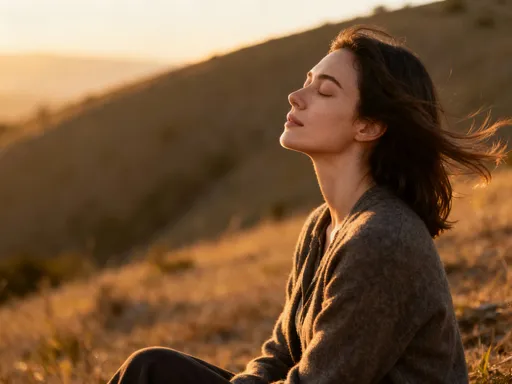
Anxiety doesn’t just live in your mind—it shows up in your body, your sleep, even your breathing. I used to feel constantly on edge, until I discovered that movement, not medication, became my anchor. This isn’t a miracle fix, but a real, doable plan I tested daily. If you’re overwhelmed and stuck, this science-backed exercise approach might be the shift you’ve been looking for. It doesn’t require a gym membership, special equipment, or hours of time. What it does require is consistency, a willingness to listen to your body, and the understanding that small actions, repeated over time, can create lasting change. This is not about performance or appearance. It’s about reclaiming a sense of calm, control, and connection in everyday life.
Understanding Anxiety: More Than Just Worry
Anxiety is often misunderstood as simply overthinking or being overly sensitive. In reality, it is a complex response involving both the mind and the body. It’s not just a thought pattern; it’s a full-system reaction rooted in survival mechanisms that once helped humans respond to physical threats. Today, while few of us face predators, our bodies still react to stressors—work pressure, financial concerns, family responsibilities—with the same intensity. The fight-or-flight response, governed by the autonomic nervous system, floods the body with stress hormones like adrenaline and cortisol. When this system activates too frequently or remains turned on for too long, it leads to chronic anxiety.
Physically, anxiety manifests in ways that are hard to ignore. Many women in their 30s to 50s report tight shoulders, a clenched jaw, or a constant knot in the stomach. These are not just metaphors—they are real physiological signs of tension. A racing heart, shallow breathing, fatigue, and disrupted sleep are common companions of persistent anxiety. Over time, these symptoms erode quality of life. Simple tasks become overwhelming. Concentration wavers. The ability to enjoy time with family or relax in the evening fades. What begins as a temporary reaction to stress can become a constant undercurrent, affecting relationships, work, and self-perception.
The key to managing anxiety lies in recognizing it as a whole-body experience. Treating it solely as a mental issue often leads to incomplete solutions. While therapy and mindfulness are valuable, they may not fully address the physical residue of stress that accumulates in the muscles, breath, and nervous system. Movement offers a direct way to reset the body’s stress response. Unlike passive strategies, physical activity engages the body in a way that signals safety, releases stored tension, and restores balance. This doesn’t mean pushing through intense workouts. It means choosing intentional, gentle, and regular movement that aligns with the body’s need for regulation rather than exertion.
Why Exercise Works: The Science Behind Movement and Calm
Physical activity is one of the most effective, yet underutilized, tools for managing anxiety. When we move, the body responds by regulating key neurochemicals involved in mood and stress. Cortisol, the primary stress hormone, naturally decreases with regular exercise. At the same time, the brain releases endorphins—natural mood lifters that promote a sense of well-being. These biochemical shifts happen quickly, often within minutes of starting movement, which is why even a short walk can make a noticeable difference in how we feel.
Beyond immediate effects, consistent exercise supports long-term brain health through a process known as neuroplasticity. This refers to the brain’s ability to reorganize itself by forming new neural connections. Over time, regular physical activity helps retrain the brain’s response to stress. Instead of defaulting to a heightened state of alertness, the nervous system becomes more resilient and better able to return to a calm baseline. This doesn’t happen overnight, but with repetition, the brain begins to associate movement with safety and recovery rather than effort or strain.
Research consistently shows that individuals who engage in regular physical activity report lower levels of anxiety and improved emotional regulation. While the most dramatic results are seen with sustained routines, even small amounts of movement can interrupt the cycle of anxious thoughts. The act of focusing on the body—feeling your feet hit the ground, noticing your breath, sensing your muscles engage—creates a natural form of mindfulness. This shifts attention away from rumination and into the present moment, where anxiety has less power.
Importantly, the benefits of exercise for anxiety are not dependent on intensity. High-intensity workouts may work for some, but for many, especially those already feeling drained, they can feel overwhelming. The real power lies in consistency. A daily 10-minute stretch or a short walk around the block, done regularly, is far more effective than an occasional hour-long session. The goal is not to exhaust the body, but to signal to the nervous system that it is safe, supported, and in control. Movement, in this context, becomes a form of self-care—a daily promise to prioritize well-being.
The Core Principles of an Effective Anxiety-Relief Exercise Plan
Creating a movement routine that truly supports anxiety relief requires more than just choosing an activity. It demands a shift in mindset—from viewing exercise as a chore or obligation to seeing it as a compassionate act of self-regulation. The most effective plans are built on four core principles: regularity, low pressure, mind-body connection, and enjoyment. When these elements are present, movement becomes sustainable, not something to be endured.
Regularity is the foundation. The nervous system thrives on predictability. When movement happens at roughly the same time each day, the body begins to anticipate it as a signal to unwind. This doesn’t mean rigid scheduling, but rather a gentle rhythm—something that fits into the natural flow of daily life. Whether it’s stretching after waking, a midday walk, or gentle movement before bed, consistency builds trust between the body and mind.
Low pressure is equally important. Many people abandon exercise because they feel they must do it “correctly” or reach a certain level of intensity. But for anxiety relief, perfection is not the goal. In fact, striving for it can increase stress. A successful routine allows for flexibility—some days may involve more movement, others less. The key is showing up, even in small ways. This reduces mental resistance and prevents the cycle of guilt that often follows missed workouts.
Mind-body connection transforms movement from mechanical action into a healing practice. This means paying attention to how the body feels during activity—notice the breath, the sensation of muscles lengthening, the rhythm of steps. This awareness grounds the mind in the present and interrupts anxious thought loops. It’s not about achieving perfect form, but about cultivating presence.
Finally, enjoyment ensures adherence. If an activity feels like punishment, it won’t last. The best movement practices are those that feel good—whether it’s dancing to a favorite song, walking in nature, or following a gentle yoga video. When movement is tied to pleasure rather than performance, it becomes something to look forward to, not avoid. This shift in perception is essential for long-term success.
Building Your Daily Movement Framework: A Practical Structure
An effective anxiety-relief routine doesn’t require hours or special equipment. Instead, it can be structured around three simple phases: morning activation, midday reset, and evening wind-down. Each phase serves a specific purpose and can be adapted to fit different energy levels and schedules.
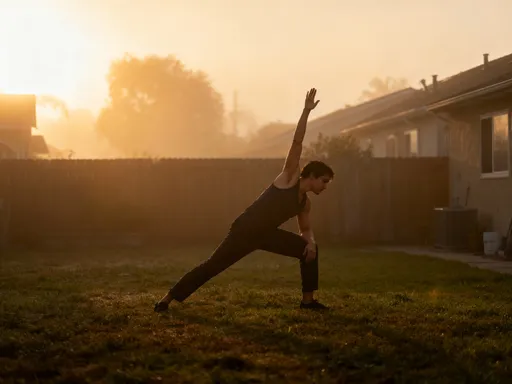
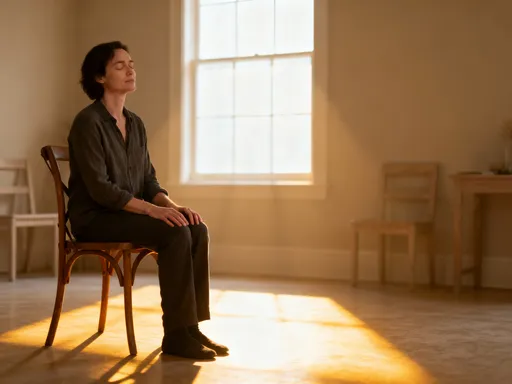
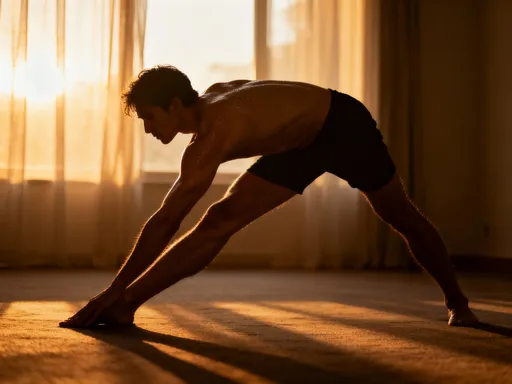
The morning activation sets the tone for the day. A 10–15 minute session of light movement helps wake up the body and nervous system. This might include gentle stretching, shoulder rolls, neck circles, or a short walk around the house or yard. The goal is not to raise the heart rate, but to increase circulation, release overnight tension, and signal to the brain that the day has begun with intention. For those with limited time, even five minutes of deep breathing while seated can be beneficial. The key is starting the day with awareness, not rushing into tasks.
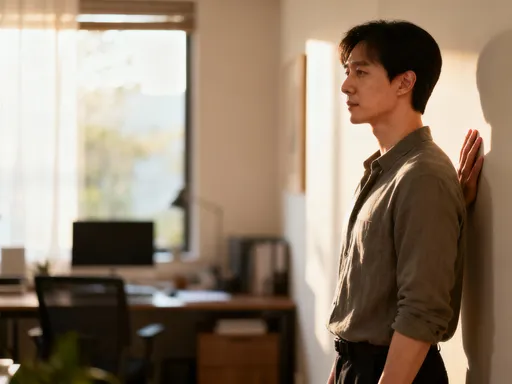
The midday reset addresses the buildup of stress that occurs during work, caregiving, or household responsibilities. A 5–10 minute break involving breath and movement can interrupt the cycle of tension. This might include standing up to stretch the arms overhead, doing a few shoulder shrugs, or practicing diaphragmatic breathing at a desk. Even a short walk around the block or up and down stairs can clear the mind. The purpose is to create a pause—a moment to reset before returning to demands. Habit-stacking can make this easier: stretch while the coffee brews, do calf raises while brushing teeth, or take deep breaths while waiting for the microwave.
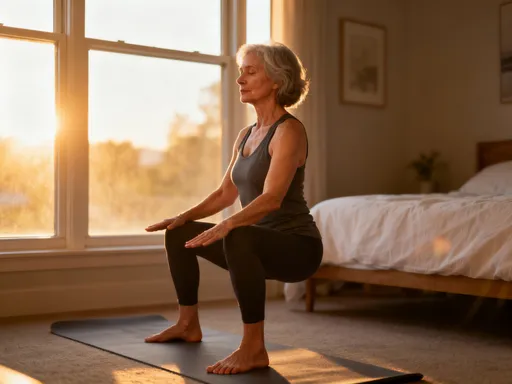
The evening wind-down is perhaps the most powerful phase for anxiety relief. A 15–20 minute session of calming movement helps transition the body from activity to rest. This might include a gentle yoga sequence, tai chi, or a slow walk in the neighborhood. The focus should be on slow, deliberate motions and deep breathing. These activities activate the parasympathetic nervous system—the “rest and digest” mode—which counteracts the stress response. Doing this routine in a quiet space, perhaps with soft lighting or calming music, enhances its effect. Over time, the body begins to associate this routine with safety and relaxation, making it easier to fall asleep and stay asleep.
All three phases are flexible. On low-energy days, shorten the duration or simplify the movements. On busy days, combine phases or focus on just one. The structure is a guide, not a rule. What matters most is the daily commitment to moving with purpose. Over time, this rhythm becomes a source of stability in an otherwise unpredictable life.
Specific Exercises That Actually Help (And Why They Work)
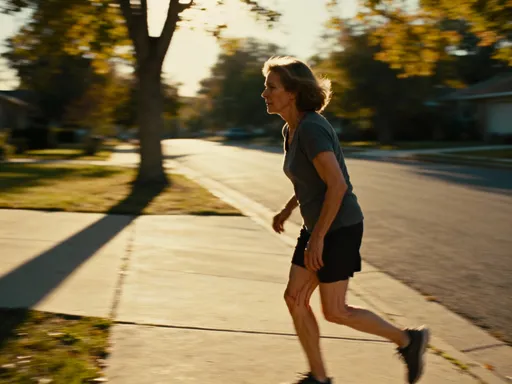
Not all movement is equally effective for anxiety relief. Certain types of exercise have a more direct impact on the nervous system and emotional regulation. Aerobic activities, such as brisk walking, dancing, or light cycling, are particularly beneficial. These rhythmic, repetitive motions increase heart rate just enough to trigger endorphin release without overstimulating the body. Walking in nature, often called “green exercise,” has been shown to reduce rumination and improve mood. The combination of movement, fresh air, and natural scenery creates a powerful antidote to mental fatigue.
Mindful movement practices like yoga and tai chi go a step further by integrating breath, awareness, and gentle motion. These disciplines emphasize slow, controlled movements that help regulate the nervous system. Yoga, for example, includes poses that release tension in common stress-holding areas like the hips, shoulders, and back. It also incorporates breathwork, which directly influences the autonomic nervous system. Diaphragmatic breathing—deep, slow breaths from the belly—activates the vagus nerve, a key component of the parasympathetic system. This sends a clear message to the body: you are safe, you can relax.
Pairing movement with breath is a simple yet transformative practice. For instance, inhaling as you raise your arms overhead and exhaling as you lower them creates a natural rhythm that calms the mind. Even seated breathing exercises, done for just a few minutes, can reduce heart rate and muscle tension. These practices don’t require special training. Many free online videos and apps offer guided sessions that are accessible to beginners.
Strength training, often overlooked in anxiety management, also plays a valuable role. Using light weights, resistance bands, or bodyweight exercises like squats and wall push-ups builds not only physical strength but also mental resilience. Completing a short strength routine fosters a sense of accomplishment and body awareness. It reminds the individual of their capability and control. This can be especially empowering for women who may feel overwhelmed by daily responsibilities. The focus should remain on form and breath, not intensity or reps.
Overcoming Common Barriers: When Motivation Fails
Even with the best intentions, obstacles arise. Low energy, time constraints, and self-doubt are common challenges, especially for women juggling multiple roles. The key is not to aim for perfection, but to find ways to keep moving—however small the movement may be.
On days when fatigue is high, the concept of “micro-movements” can be a game-changer. These are brief, almost effortless actions that still signal to the body that it is being cared for. Standing up and reaching arms to the sky, rolling the shoulders, or taking three deep breaths while seated—all of these count. The goal is to break the inertia of stillness. Often, starting with just two minutes leads to doing more, but even if it doesn’t, the act itself is meaningful.
Time is another frequent barrier. Many women feel they “don’t have time” to exercise. But when movement is reframed as a form of self-care rather than a task, it becomes easier to prioritize. Integrating it into existing routines—stretching while waiting for the kettle, walking during phone calls, or doing seated leg lifts while watching TV—reduces the need for extra time. These small acts accumulate and contribute to overall well-being.
Self-doubt and negative self-talk can also derail progress. Thoughts like “I’m not doing it right” or “This won’t help” are common. The best response is self-compassion. Remind yourself that this is a practice, not a performance. There is no “right” way to move for anxiety relief—only your way. Celebrate showing up, regardless of duration or intensity. Over time, the habit becomes more natural, and the mental resistance fades.
Long-Term Benefits and Realistic Expectations
The benefits of a daily movement routine for anxiety build gradually. Unlike quick fixes, this approach works through steady, cumulative change. Over weeks and months, many women notice improvements in sleep quality, increased mental clarity, and a greater sense of emotional stability. Physical symptoms like muscle tension and shallow breathing lessen. There is a growing awareness of the body’s signals and an improved ability to respond to stress before it escalates.
It’s important to maintain realistic expectations. Movement is not a cure-all, nor should it replace professional care when needed. For some, anxiety may require therapy, medication, or other interventions. Physical activity is most effective when viewed as one part of a comprehensive support system. It enhances the benefits of other treatments and empowers individuals to take an active role in their well-being.
Tracking progress should focus on subtle shifts rather than dramatic transformations. Did you sleep more soundly? Were you able to pause and breathe during a stressful moment? Did you feel a moment of calm after your evening routine? These small victories are signs of progress. Journaling or simply reflecting on these moments can reinforce motivation.
Ultimately, this is not a temporary fix, but a lifelong tool. The routine evolves with life’s changing demands. Some days will be consistent, others less so. That’s normal. What matters is the ongoing commitment to listening to the body and responding with kindness. Over time, movement becomes more than a strategy—it becomes a way of living with greater presence, balance, and peace.
This exercise plan isn’t about pushing harder—it’s about moving with purpose to reclaim calm. By aligning body and mind through daily movement, you’re not just managing anxiety; you’re building a healthier, more grounded version of yourself. Always consult a healthcare provider if symptoms persist—movement is powerful, but it’s one part of a full support system.