Why I Swear by This Exercise Plan for Staying Healthy—And You Might Too
Staying ahead of illness doesn’t always mean medication or drastic changes. I’ve learned that a smart, consistent exercise routine can be one of the most powerful tools for disease prevention. After years of trial and error, I found a plan that fits real life—no gym obsession, no burnout. It’s practical, science-backed, and actually sustainable. This is what’s helped me feel stronger, sharper, and more resilient. Let’s talk about how movement, done right, can protect your health long-term.
The Hidden Power of Movement in Preventing Disease
Physical activity is more than a way to manage weight or improve appearance—it is a foundational pillar of long-term health. Decades of medical research confirm that regular exercise significantly lowers the risk of chronic diseases, including heart disease, type 2 diabetes, stroke, and certain types of cancer such as colon and breast cancer. The Centers for Disease Control and Prevention (CDC) states that adults who meet recommended physical activity guidelines reduce their risk of heart disease by up to 35% and type 2 diabetes by as much as 40%. These are not minor improvements; they represent a meaningful shift in how our bodies function and defend themselves over time.
One of the most profound ways exercise protects health is through its effect on the body’s inflammatory response. Chronic low-grade inflammation is now recognized as a key contributor to many long-term illnesses. Regular movement helps regulate the immune system, reducing the production of inflammatory markers like C-reactive protein. At the same time, exercise enhances immune surveillance, allowing the body to detect and respond to threats more efficiently. This dual role—calming unnecessary inflammation while boosting immune readiness—makes physical activity a natural defense mechanism, much like a vaccine for daily life.
It’s important to distinguish between general physical activity and a structured exercise plan aimed at prevention. While walking to the mailbox or gardening counts as movement, a health-focused routine involves intentional, consistent effort that challenges the body in specific ways. Casual activity supports well-being, but a purposeful plan delivers measurable protection. The difference lies in frequency, intensity, and variety. A prevention-oriented approach combines aerobic conditioning, strength work, and flexibility exercises in a balanced way, ensuring that all systems of the body—cardiovascular, metabolic, musculoskeletal—are regularly engaged and strengthened.
Common Mistakes That Undermine Exercise for Health
Despite good intentions, many people fall into patterns that reduce the effectiveness of their exercise efforts. One of the most common pitfalls is inconsistency. Starting strong with daily workouts only to stop after a few weeks leads to minimal long-term benefit. The body thrives on routine, and health gains from exercise are most evident when activity is sustained over months and years. Another frequent error is overtraining—pushing too hard too soon, leading to fatigue, injury, or burnout. This often happens when individuals believe that more intense workouts automatically mean better results, a myth that can backfire and discourage continued participation.
The misconception that only vigorous exercise counts is particularly damaging. Many assume that unless they are sweating heavily or reaching extreme heart rates, they aren’t doing enough. However, moderate activities like brisk walking or light cycling provide substantial health benefits, especially when performed regularly. The World Health Organization (WHO) emphasizes that even moderate-intensity exercise, when done consistently, contributes to reduced mortality and improved quality of life. The key is not how hard you push in a single session, but how reliably you return to movement over time.
Another overlooked factor is recovery. Without adequate rest, the body cannot repair tissues or adapt to physical stress, increasing the risk of injury and diminishing overall progress. Equally important is variety. Relying solely on one type of exercise—such as only walking or only lifting weights—limits the range of health benefits. A well-rounded plan should include different forms of movement to engage various muscle groups, energy systems, and joints. Focusing exclusively on weight loss as a goal also sets people up for disappointment, as health improvements often occur before visible changes appear on the scale. Shifting the focus from appearance to function—how you feel, how much energy you have, how easily you move—leads to more sustainable motivation and greater long-term success.
Building a Real-World Exercise Plan That Works
The most effective exercise plans are not the most complicated—they are the ones that fit into real life. A sustainable routine acknowledges the demands of family, work, and personal time, offering flexibility without sacrificing consistency. The goal is not perfection, but progress. A practical weekly structure might include 150 minutes of moderate aerobic activity, spread across five days, combined with two sessions of strength training and daily flexibility exercises. This aligns with guidelines from leading health organizations and can be adapted to fit nearly any schedule.
For many adults, especially those with busy households or caregiving responsibilities, finding large blocks of time for exercise can be challenging. The solution lies in breaking activity into manageable segments. Three 10-minute walks throughout the day, for example, provide the same cardiovascular benefit as one 30-minute session. Similarly, strength exercises can be done at home using minimal equipment—bodyweight squats, wall push-ups, or resistance bands stored in a drawer. The key is to make movement convenient and accessible, reducing the mental and logistical barriers that often lead to inactivity.
Enjoyment plays a crucial role in adherence. If an activity feels like a chore, it’s less likely to become a habit. Choosing forms of exercise that feel good—whether it’s dancing in the living room, walking in nature, or attending a community fitness class—increases the likelihood of long-term engagement. Habit formation is also supported by linking new behaviors to existing routines, a technique known as habit stacking. For instance, doing a few stretches after brushing your teeth or taking a short walk after dinner can anchor exercise into daily life without requiring extra decision-making. Over time, these small actions build into a resilient, self-sustaining pattern of movement.
Cardio: Training Your Heart Like a Muscle
The heart is a muscle, and like any other muscle, it becomes stronger with regular use. Cardiovascular exercise—often called cardio—improves the heart’s ability to pump blood efficiently and enhances circulation throughout the body. This leads to lower resting heart rate, reduced blood pressure, and better oxygen delivery to tissues. Over time, these changes translate into a significantly lower risk of heart attack, stroke, and other cardiovascular conditions. The American Heart Association recommends at least 150 minutes of moderate-intensity aerobic activity per week for optimal heart health, a target that is both achievable and highly protective.
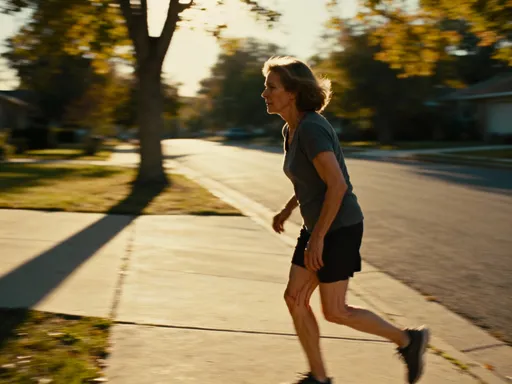
Good news: you don’t need a gym membership or expensive equipment to meet this goal. Brisk walking is one of the most effective and accessible forms of cardio. A pace that raises your heart rate slightly but still allows you to speak in short sentences—the so-called “talk test”—is ideal. Other low-impact options include cycling, swimming, or using an elliptical machine. These activities are gentle on the joints while still providing strong cardiovascular benefits, making them suitable for people of all ages and fitness levels.
Consistency matters more than intensity. A daily 30-minute walk, done five or six days a week, offers more protection than an hour-long run once a week followed by days of inactivity. The body responds best to regular stimulation, and steady, moderate effort builds endurance over time. For those with limited time, interval walking—alternating between a normal pace and a faster stride for one to two minutes—can boost cardiovascular benefits without extending the workout duration. The goal is to make cardio a regular part of life, not an occasional event. When done consistently, it becomes a quiet, powerful force in maintaining long-term health.
Strength Training: More Than Just Muscles
Strength training is often associated with building muscle or improving physical appearance, but its health benefits go far beyond that. As we age, we naturally lose muscle mass—a process called sarcopenia—that begins as early as the fourth decade of life. This loss affects metabolism, balance, and overall functional ability. Strength training slows this decline, helping preserve muscle and supporting healthy body composition. More muscle means a higher resting metabolic rate, which aids in blood sugar regulation and reduces the risk of insulin resistance and type 2 diabetes.
Additionally, strong muscles support joint health and reduce the strain on connective tissues, lowering the risk of arthritis-related pain and injury. For women, in particular, maintaining muscle mass is linked to better bone density, reducing the likelihood of osteoporosis and fractures later in life. The National Institutes of Health emphasizes that resistance exercise is one of the most effective ways to maintain independence and mobility as we age. Even small increases in strength can make everyday tasks—like carrying groceries, climbing stairs, or getting up from a chair—easier and safer.
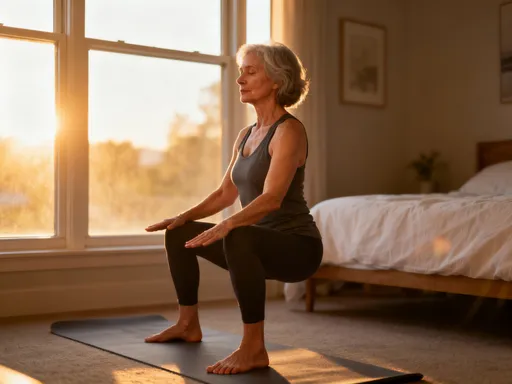
The good news is that you don’t need heavy weights or a full home gym to benefit. Bodyweight exercises such as squats, lunges, and modified push-ups can be done anywhere and require no equipment. Resistance bands are affordable, portable, and effective for targeting different muscle groups. Dumbbells or household items like water bottles can also be used for added resistance. Research shows that just two 20-minute strength sessions per week can lead to measurable improvements in muscle strength and endurance within a few months. The key is to work all major muscle groups—legs, back, chest, arms, shoulders, and core—in a balanced way, allowing at least one full day of rest between sessions for recovery.
Flexibility and Balance: The Overlooked Shields of Health
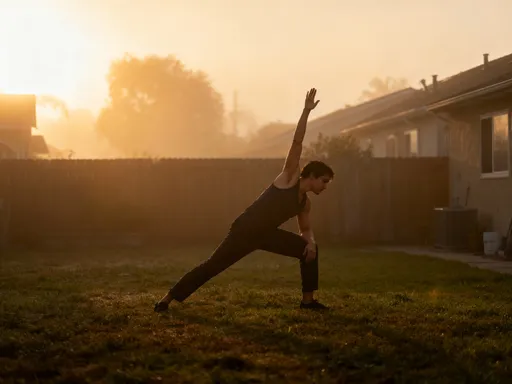
While cardio and strength training often receive the most attention, flexibility and balance are equally important for long-term health—yet they are frequently neglected. As we age, muscles naturally shorten and joints lose range of motion, increasing the risk of stiffness, discomfort, and injury. Daily stretching helps maintain mobility, improves posture, and supports better movement patterns. Simple practices like reaching overhead, bending forward to touch your toes, or rotating your shoulders can preserve joint function and reduce everyday aches.
Balance training is another critical but underappreciated component of fitness. Poor balance increases the risk of falls, which are a leading cause of injury among older adults. Exercises that challenge stability—such as standing on one leg, heel-to-toe walking, or practicing tai chi—improve neuromuscular coordination and strengthen the small stabilizing muscles in the feet and ankles. These activities enhance the body’s ability to respond to changes in terrain or unexpected movements, acting as a protective buffer against accidents.
Yoga and tai chi are excellent options for integrating both flexibility and balance into a routine. They combine gentle movement with breath awareness, promoting not only physical resilience but also mental calm. Studies have shown that regular participation in these practices improves balance, reduces fall risk, and enhances overall quality of life. The best part is that no prior experience is needed. Beginner-friendly videos, community classes, and online tutorials make it easy to start at any age or fitness level. Even five to ten minutes a day of stretching or balance work can yield noticeable benefits over time, especially when done consistently.
Making It Stick: Turning Exercise Into a Lifelong Habit
Starting an exercise routine is often easier than maintaining it. Motivation tends to peak at the beginning, only to fade as daily life takes over. The secret to long-term success is not willpower, but strategy. Behavioral science shows that habits are more sustainable when they are tied to existing routines, tracked visibly, and supported by a sense of community. Habit stacking—linking a new behavior to an established one—helps embed exercise into daily life. For example, doing a few stretches after brushing your teeth or taking a walk right after lunch makes the activity feel automatic rather than optional.
Tracking progress, even in simple ways, reinforces commitment. Keeping a calendar and marking off each day you move can provide a visual reminder of consistency. Some people find motivation in wearable devices that record steps or activity minutes, while others prefer a notebook or app. The act of recording effort builds accountability and allows you to celebrate small wins—like completing a week of daily walks or mastering a new stretch. These milestones, though modest, contribute to a growing sense of accomplishment and self-efficacy.
Social support also plays a powerful role. Exercising with a friend, joining a community group, or sharing goals with family members increases accountability and makes movement more enjoyable. Even virtual connections—such as online fitness challenges or shared step counts with a sibling—can provide encouragement during low-motivation periods. When dips in energy or interest occur, it’s helpful to reframe the mindset: exercise is not about achieving a perfect body or hitting extreme fitness goals, but about honoring your body’s need for movement. Viewing physical activity as an act of self-care, rather than a chore or punishment, fosters a more positive and enduring relationship with fitness.
Conclusion
A thoughtful, well-rounded exercise plan is not about achieving a certain look or following the latest trend—it’s about building long-term resilience. The true value of movement lies in its ability to protect against disease, support independence, and enhance quality of life as we age. Science confirms that consistent physical activity strengthens the heart, regulates metabolism, preserves muscle and bone, and supports mental well-being. These benefits are not reserved for athletes or fitness enthusiasts; they are available to anyone willing to make movement a regular part of life.
The most effective routines are those that are realistic, enjoyable, and sustainable. Whether it’s a daily walk, a few minutes of strength training, or simple stretches before bed, small actions add up over time. Consistency, not intensity, is the true measure of success when it comes to disease prevention. By focusing on progress rather than perfection, and by choosing activities that fit your lifestyle and bring you joy, you can create a lifelong habit of movement that serves you for decades to come.
Before beginning any new exercise program, it’s important to consult with a healthcare professional, especially if you have existing health conditions or concerns. This ensures that your plan is safe and tailored to your individual needs. Remember, the goal is not to push yourself to the limit, but to move regularly, listen to your body, and treat physical activity as a lasting investment in your health. With the right approach, exercise becomes more than a routine—it becomes a quiet, powerful promise to yourself and your future.