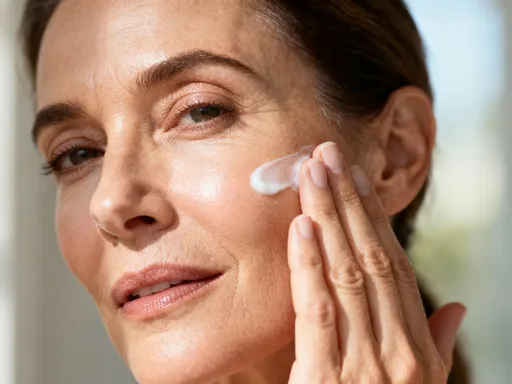
Youth on Autopilot: How I Upgraded My Body Care Routine for Real Anti-Aging Results
Aging isn’t something that suddenly happens—it’s the daily choices that quietly shape how we look and feel over time. Many focus on quick fixes, but true anti-aging starts with consistent, science-backed body care. I’ve tested small, sustainable shifts in skincare, movement, and recovery—and seen noticeable changes. This isn’t about reversing time. It’s about making your body work *with* you, so you feel stronger, smoother, and more energized as the years go by.
The Wake-Up Call: When Your Skin Starts Telling the Truth
There comes a moment—often unannounced—when the mirror reflects more than just your face. It reflects your habits. For many women between 30 and 55, this realization arrives subtly: a dry patch that won’t go away, a fine line near the eye that wasn’t there last year, or a general dullness that no amount of coffee seems to fix. These aren’t just cosmetic concerns. They’re early signals from your skin, the body’s largest organ, telling you that it’s time to pay attention.
Skin aging is not solely dictated by the calendar. In fact, only about 10% of visible aging is due to chronological time. The rest—up to 90%—is influenced by lifestyle factors. Sun exposure, inconsistent cleansing, lack of hydration, poor sleep, and stress all contribute to how quickly the skin shows signs of aging. The good news? Because these are behaviors, they are within your control. Understanding this shift—from passive aging to active care—is the first step toward meaningful change.
The skin’s structure plays a crucial role in how it ages. The outermost layer, the epidermis, acts as a protective shield. Beneath it, the dermis houses collagen and elastin—two proteins responsible for firmness and elasticity. Collagen provides structural support, like the scaffolding of a building, while elastin allows the skin to snap back into place, like a stretched rubber band. Over time, and especially under environmental stress, collagen degrades and elastin fibers weaken. This leads to sagging, fine lines, and a loss of that youthful bounce.
But this process isn’t inevitable at a rapid pace. The rate at which collagen and elastin break down can be slowed significantly through consistent care. The moment you notice a change in your skin’s texture or tone is not a signal to panic—it’s an invitation to act. It’s a chance to reassess your daily routine and make choices that support your skin’s natural resilience. And the best part? You don’t need drastic measures. Small, thoughtful adjustments can yield visible, lasting results.
Cleansing Right: More Than Just Washing Your Face
Cleansing is often treated as a mundane task, something done quickly in the morning and rushed through at night. But how you cleanse your skin sets the foundation for everything that follows. Many women unknowingly accelerate skin aging by using harsh soaps, scrubbing too vigorously, or skipping cleansing altogether when tired. Each of these habits can compromise the skin’s natural barrier, leading to dryness, irritation, and increased sensitivity—conditions that make fine lines more noticeable and recovery slower.
The skin’s barrier, also known as the moisture barrier, is a delicate layer of lipids and proteins that keeps moisture in and irritants out. When this barrier is damaged—often by overwashing with stripping cleansers—the skin loses water more easily and becomes more vulnerable to environmental aggressors like pollution and UV rays. This creates a cycle: dry skin leads to more product use, which can lead to further irritation, and so on. The key is not to cleanse more, but to cleanse wisely.
One of the most effective yet underused techniques is double cleansing. This method, popularized in Korean skincare routines, involves two steps: first, using an oil-based cleanser to dissolve sunscreen, makeup, and excess sebum, followed by a water-based cleanser to remove sweat and impurities. The oil cleanser doesn’t clog pores—in fact, it helps clear them by breaking down oil-soluble debris. Then, the second cleanse ensures a thorough clean without over-drying. For women with dry or mature skin, this approach is especially beneficial because it removes buildup gently, without stripping essential lipids.
Other important details matter just as much. Water temperature, for example, should be lukewarm—not hot. Hot water may feel soothing, but it can weaken the skin’s barrier and lead to redness and dehydration. After washing, always pat the skin dry with a soft towel instead of rubbing, which can cause micro-tears and inflammation. Finally, choose cleansers free of sulfates, alcohol, and artificial fragrances. Look for labels that say “gentle,” “non-comedogenic,” or “pH-balanced.” These formulations support the skin’s natural acidity, which is slightly acidic (around 5.5) and essential for optimal defense and function.
When cleansing is done correctly, it’s not just about cleanliness—it’s about preparation. A well-cleansed face allows moisturizers and treatments to penetrate more effectively, maximizing their benefits. Over time, this simple act, done consistently and with care, can lead to smoother texture, fewer breakouts, and a clearer, more even complexion. It’s a small investment with compound returns.
Moisture Lockdown: Why Hydration Is Anti-Aging 101
Hydration is often misunderstood. Many women believe that drinking eight glasses of water a day is enough to keep their skin plump and youthful. While internal hydration is important, it’s only part of the story. The real secret to youthful skin lies in *topical* hydration—locking moisture into the skin’s surface where it can make an immediate difference. Without this, even the most hydrated body can have dry, flaky skin.
To understand how this works, it helps to know the three main types of moisturizing ingredients: humectants, emollients, and occlusives. Humectants—like glycerin, hyaluronic acid, and urea—act like magnets, drawing water from the deeper layers of the skin and the surrounding air into the outer layer. They plump the skin, reducing the appearance of fine lines. Emollients—such as ceramides, fatty acids, and squalane—fill in the spaces between skin cells, smoothing rough patches and restoring softness. Occlusives—like petrolatum, shea butter, and dimethicone—form a protective seal on top of the skin, preventing water loss.
The most effective moisturizing routines use a combination of all three. For example, applying a hyaluronic acid serum to damp skin (right after cleansing) allows the humectant to pull in maximum moisture. Then, layering a ceramide-rich cream on top helps repair the barrier, while an occlusive like shea butter seals everything in. This layered approach is especially helpful during colder months or in dry climates, when the skin is more prone to dehydration.
Another key tip: adjust your moisturizing routine with the seasons. In summer, a lightweight gel or lotion may be sufficient. In winter, switching to a richer cream can prevent dryness and cracking. Women over 40 often benefit from overnight masks or sleeping creams that work while the skin is in repair mode. These products are typically more occlusive, allowing deep penetration and extended hydration.
The payoff of consistent moisture lockdown is visible and tangible. Skin looks plumper, feels softer, and appears more radiant. Fine lines become less pronounced, and the complexion takes on a healthy glow. More importantly, well-hydrated skin is more resilient. It heals faster, tolerates products better, and is less reactive to environmental stress. This isn’t about masking age—it’s about supporting the skin’s natural ability to function at its best.
Sun Protection as Daily Armor—No Excuses
If there’s one anti-aging step that outperforms all others, it’s daily sun protection. Research shows that up to 90% of visible skin aging is caused by UV exposure. This includes wrinkles, dark spots, loss of elasticity, and uneven texture. Unlike chronological aging, which happens slowly and evenly, photoaging—the damage caused by the sun—is preventable. And the best part? It only takes a few seconds each day to make a lasting difference.
Understanding the types of UV rays is essential. UVA rays penetrate deep into the dermis, damaging collagen and elastin. They are present year-round, even on cloudy days, and can pass through windows. UVB rays, on the other hand, affect the outer layer and are the primary cause of sunburn. Both contribute to skin aging and increase the risk of skin changes. That’s why broad-spectrum sunscreen—protecting against both UVA and UVB—is non-negotiable.
SPF 30 or higher is recommended for daily use. SPF 30 blocks about 97% of UVB rays, while higher SPFs offer only marginally more protection. What matters more is proper application. Most people apply only 25% to 50% of the amount needed to achieve the labeled SPF. The standard recommendation is 1/4 teaspoon for the face alone. Reapplication every two hours is crucial when spending time outdoors, especially after sweating or swimming.
One common myth is that dark skin doesn’t need sunscreen. While melanin offers some natural protection, it’s not enough to prevent photoaging or skin damage. Another misconception is that makeup with SPF is sufficient. In reality, most women don’t apply enough foundation to achieve the labeled protection. Sunscreen should be a separate step, applied after moisturizer and before makeup.
For those who dislike the feel of sunscreen, modern formulations have improved dramatically. Lightweight, non-greasy options are available, including tinted versions that double as a base, matte finishes for oily skin, and mineral-based formulas for sensitive skin. The key is finding one you enjoy using—because consistency beats perfection. When sun protection becomes a daily habit, like brushing your teeth, it transforms from a chore into a powerful act of self-care.
Move It or Lose It: How Daily Movement Fuels Youthful Skin
Exercise is often praised for its effects on weight and heart health, but its impact on skin is equally profound. Physical activity increases blood circulation, delivering oxygen and vital nutrients to skin cells. This boost in flow supports cellular repair, enhances natural detoxification, and gives the skin a healthy, rosy glow. Women who move regularly often notice their skin looks more vibrant and feels more resilient.
Sweating, when followed by proper cleansing, helps clear pores of dirt and excess oil. This can reduce the occurrence of clogged pores and minor breakouts. More importantly, strength training and resistance exercises stimulate the production of growth hormone and collagen. These physiological changes don’t just build muscle—they also improve skin thickness and elasticity, counteracting the natural thinning that occurs with age.
The good news is that you don’t need intense workouts to see benefits. Daily walks, especially in natural light, combine movement with vitamin D synthesis, another key player in skin health. Stretching routines, like those in yoga, improve circulation and reduce muscle tension, which can lessen the appearance of jaw clenching and forehead lines. Low-impact activities such as swimming, cycling, or dancing are gentle on the joints but effective for maintaining cardiovascular health and promoting lymphatic drainage, which helps reduce puffiness.
Consistency is more important than intensity. A 20-minute walk every day does more for long-term skin health than an occasional hour-long spin class. The goal is to keep the body’s systems—including the skin—functioning optimally. Movement also helps regulate hormones and reduce stress, both of which have direct effects on skin clarity and tone. When physical activity becomes a regular part of life, it’s not just the body that benefits—the skin reflects that inner vitality.
Recovery Rituals: Sleep, Stress Control, and Skin Repair
While we sleep, the body enters repair mode. Skin cell turnover increases, collagen production peaks, and inflammation decreases. This nightly renewal process is essential for maintaining a fresh, rested appearance. Yet, many women in their 30s to 50s struggle with sleep due to hormonal changes, stress, or busy schedules. The result? Puffiness, dark circles, and a dull complexion that no amount of concealer can fully mask.
Chronic stress and poor sleep elevate cortisol, a hormone that, in excess, breaks down collagen and impairs the skin’s ability to retain moisture. High cortisol levels are also linked to increased inflammation, which can worsen conditions like redness and sensitivity. Over time, this creates a visible toll—skin that looks tired, thin, and less elastic.
The solution lies in building recovery rituals. A consistent wind-down routine signals to the body that it’s time to rest. This includes reducing screen time at least an hour before bed, as blue light suppresses melatonin, the sleep hormone. Using calming scents like lavender or chamomile in a diffuser or pillow spray can promote relaxation. Keeping the bedroom cool, dark, and quiet supports deeper sleep cycles.
Stress management is equally important. Techniques like mindful breathing, gentle stretching, or journaling can lower cortisol levels and improve emotional balance. Even five minutes of deep breathing in the morning or before bed can make a difference. Women who prioritize recovery often report not only better sleep but also clearer skin and improved mood. True body care isn’t just about what you apply to your skin—it’s about how you treat your whole self.
Putting It All Together: A Sustainable Anti-Aging Body Care Plan
The most effective anti-aging strategy isn’t a single product or extreme routine—it’s a collection of small, sustainable habits that work together. Skincare, movement, sun protection, and recovery form a powerful trifecta. The goal isn’t perfection, but progression. Start with one change: perhaps double cleansing at night, or applying sunscreen every morning. Once that feels automatic, add another—like a 15-minute walk or a bedtime breathing practice.
Tracking subtle improvements can be motivating. You might notice your skin feels softer, your energy is more stable, or your reflection looks more rested. These are signs that your body is responding. Over time, these habits become second nature, requiring less effort and delivering greater rewards.
Remember, anti-aging isn’t about chasing youth. It’s about honoring your body with daily care so you can feel strong, confident, and vibrant at every stage. When body care becomes a form of self-respect, graceful aging isn’t a goal—it’s the natural outcome of a life well-lived.