Hiking the Hidden Paths of Kuramathi and Stumbling Upon Island Treasures
You know that feeling when you hike not for the summit, but for the surprise around the bend? In Kuramathi, Maldives, I laced up my sandals expecting coral trails and ocean views—but ended up discovering something totally unexpected: a vibrant local shopping scene tucked within the island’s quiet corners. This isn’t just a resort island; it’s a blend of natural beauty and cultural charm. Let me take you through the winding paths and little market stalls that made my hike one unforgettable retail adventure.
Reimagining the Maldives: Beyond Beaches and Bungalows
When most travelers think of the Maldives, images of overwater villas, infinity pools, and endless turquoise waters come to mind. It's a destination often associated with romance, seclusion, and luxury—a place to unwind, not to wander. Yet, Kuramathi quietly challenges this narrative. While it offers all the comforts of a high-end resort, it also preserves a sense of island authenticity that many Maldivian destinations have gradually left behind. Here, tourism coexists with tradition, and relaxation is balanced with gentle exploration. The island’s layout, with its interconnected pathways and lush greenery, invites guests to step beyond the beachfront and experience something more intimate.
Hiking, in the conventional sense, may not be the first activity that comes to mind when planning a tropical getaway. But on Kuramathi, walking is not just possible—it's rewarding. Unlike the sprawling, segmented resorts where every experience feels curated and contained, Kuramathi allows for organic movement. You can walk from one end of the island to the other, passing through shaded groves, open courtyards, and quiet residential lanes where staff live and local life unfolds. This accessibility transforms the typical resort experience into something closer to a living community, where guests are not just observers but temporary participants in island rhythm.
The shift from passive vacationing to active discovery begins the moment you choose to walk. Instead of relying on buggies or bicycles, you engage with your surroundings at a human pace. You notice the texture of the sand underfoot, the scent of frangipani in the air, and the way sunlight filters through coconut palms. These subtle details form a deeper connection to place—one that cannot be achieved from a lounge chair or a speedboat. And it is precisely this slower, more intentional movement that leads to the kinds of discoveries most travelers never expect: a hand-carved wooden sign, a hidden garden, or the soft chime of wind bells outside a small craft stall.
Hiking Kuramathi: Walking the Island’s Natural Pulse
The walking trails on Kuramathi are not marked by signs or numbered routes, nor are they designed for endurance. Instead, they emerge naturally from the island’s layout—narrow footpaths that weave between bungalows, loop around lagoons, and skirt the shoreline. These trails are best described as invitations rather than instructions. They don’t lead you to a single destination but encourage wandering, with no pressure to reach a finish line. The terrain is gentle, mostly flat, with stretches of packed white sand, wooden boardwalks over wetlands, and shaded corridors lined with hibiscus and pandanus trees.
Walking here feels more like drifting than hiking. There’s no need for technical gear or intense preparation. A pair of breathable sandals, a sun hat, and a refillable water bottle are all you need. As you move, the island reveals itself in layers. In the early morning, herons stalk the shallows, and geckos dart across sun-warmed stones. By midday, the heat softens under the canopy of broad-leafed trees, and the sound of waves becomes a steady backdrop. In the late afternoon, when the sun begins to dip, the light turns golden, casting long shadows and painting the sand in warm hues.
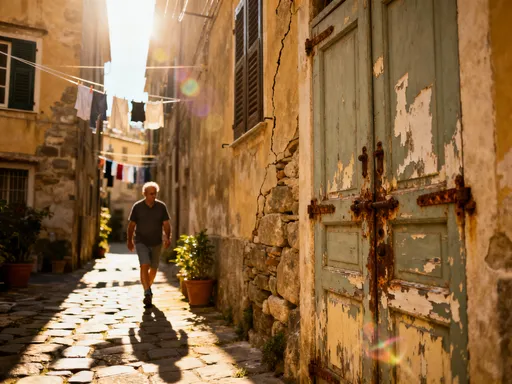
What makes these walks special is not just the scenery but the quiet moments in between. You might pause to watch a fisherman mend his net, or hear children laughing from a nearby courtyard. You may notice the way laundry flutters on a line, or how a cat naps in the shade of a wooden bench. These unscripted glimpses offer a rare window into daily island life—a reality often invisible in more polished resort settings. Hiking becomes less about physical exertion and more about presence, about allowing yourself to be part of the island’s quiet pulse.
The natural environment also plays a crucial role in shaping the walking experience. Kuramathi is home to a diverse range of coastal flora and fauna, much of which thrives in protected zones. As you walk, you may spot monitor lizards basking on rocks, or fruit bats flying overhead at dusk. The island’s commitment to sustainability means that development has been carefully managed, with native vegetation preserved and wildlife corridors maintained. This balance between hospitality and ecology allows visitors to enjoy comfort without compromising the integrity of the landscape.
The Unexpected Turn: Where Hiking Meets Local Commerce
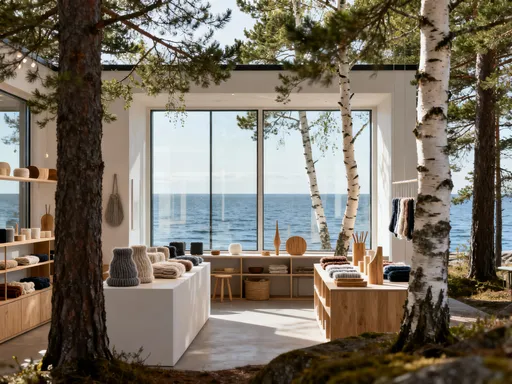
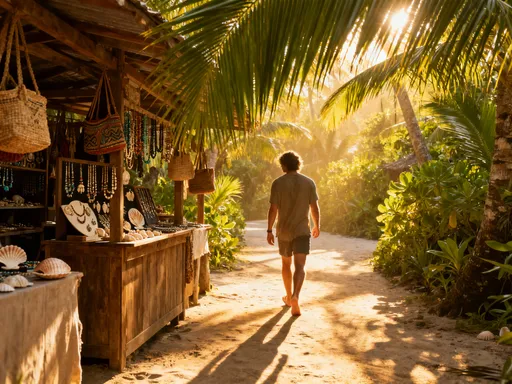
It happened almost by accident. Halfway through a late afternoon walk, I turned down a path I hadn’t noticed before—one that curved behind a row of staff cottages and opened into a small clearing. There, beneath a thatched awning, stood a wooden stall piled with handmade goods. Strings of shell necklaces hung from the rafters, woven mats were spread on a low table, and a young woman smiled as she polished a piece of coral jewelry. This was no resort boutique with glass cases and price tags in foreign currencies. This was something different—personal, unpretentious, alive.
This moment marked the beginning of a new kind of discovery: the fusion of hiking and shopping. What I had assumed would be a purely natural journey transformed into a cultural one. The island’s walking paths, it turned out, were not just routes through nature but conduits to community. As I continued my walks over the next few days, I began to notice more of these small commercial spaces—tiny kiosks tucked beside gardens, open-air stalls near the staff dining area, even a family-run stand selling freshly made banana chips and coconut candies.
These were not tourist traps. There were no loud signs, no pressure to buy, and no mass-produced souvenirs. Instead, the goods reflected the island’s identity: handcrafted, locally sourced, and deeply personal. Many of the artisans were staff members or their relatives, selling items they made during their free time. Some pieces told stories—like a painted wooden box depicting a traditional Maldivian dhoani boat, or a bracelet woven from dyed palm fibers. Shopping here didn’t feel transactional; it felt like an exchange, a small connection between traveler and maker.
The transition from trail to marketplace was seamless. One moment you’re walking through a grove of banana trees, the next you’re browsing a stall shaded by a sailcloth canopy. There was no jarring shift from nature to commerce—instead, the two existed in harmony. The stalls were built from natural materials, arranged in ways that complemented the landscape, and operated on a schedule that matched the island’s relaxed rhythm. You could only visit them during certain hours, which added to their charm. They weren’t open all day, every day, but only when the makers were present—making each encounter feel intentional and authentic.
Kuramathi’s Shopping Experience: Small Stalls, Big Character
The shopping experience on Kuramathi is unlike anything found in typical resort malls. There are no air-conditioned boutiques with international brands or standardized displays. Instead, the retail spaces are modest, often no larger than a garden shed, yet brimming with character. Each stall has its own personality, shaped by the person behind it. Some are family-run, with generations involved in crafting and selling. Others are solo ventures, born from a passion for design or a desire to share Maldivian culture with visitors.
The products on offer are equally distinctive. You’ll find jewelry made from recycled glass and seashells, each piece unique in color and form. Handwoven baskets and mats, crafted from palm leaves, are both functional and beautiful—perfect for carrying beach towels or storing toiletries. Textiles feature traditional Maldivian patterns, dyed with natural pigments and stitched into sarongs, scarves, and wall hangings. Art lovers will appreciate the small paintings and carvings inspired by marine life—dolphins, sea turtles, and reef fish rendered in bold, expressive strokes.
One of the most delightful discoveries was the range of locally made bath and body products. Using ingredients like coconut oil, sea salt, and tropical flowers, artisans create soaps, scrubs, and lotions that capture the essence of the island. These are not mass-produced spa items but hand-poured, small-batch creations, often wrapped in handmade paper or reusable fabric. They make for thoughtful, sustainable souvenirs—something you can use long after your trip ends, carrying a sensory memory of Kuramathi with you.
Pricing is fair and transparent, typically listed in Maldivian rufiyaa or US dollars. Cash is the preferred method, though some vendors may accept resort credit. There’s no haggling, no pressure to spend, and no expectation of large purchases. You can buy a simple keychain for a few dollars or invest in a hand-carved wooden bowl for a special gift. What matters most is the interaction—the chance to learn about how something was made, to hear a story, or to simply share a smile. In this way, shopping becomes an extension of travel, a way to carry a piece of the island home—not just in your suitcase, but in your heart.
Why This Blend Works: How Hiking Enhances Retail Discovery
What makes Kuramathi’s shopping experience so memorable is not just the quality of the goods, but the way they are discovered. Unlike resort malls, where shopping is a planned activity—something you “do” at a set time—here, it happens organically. You don’t set out to buy a souvenir; you stumble upon it while walking back from the beach, drawn in by the glint of shells in the sunlight or the scent of coconut oil in the air. This element of surprise makes the experience more meaningful, turning a casual walk into a journey of discovery.
Hiking fosters curiosity. When you’re moving at a slow pace, your senses are heightened. You notice details you might otherwise miss—the pattern of a woven mat, the sound of a hammer shaping wood, the way light dances on a beaded curtain. These sensory cues draw you in, making you more open to interaction. After a warm walk, you’re more likely to pause at a shaded stall, accept a cool drink, and strike up a conversation. These moments of connection transform a simple purchase into a memory.
There’s also a psychological benefit to combining movement with shopping. Physical activity increases alertness and mood, making you more receptive to new experiences. When you arrive at a stall after a refreshing walk, you’re not tired or rushed—you’re present, engaged, and in the moment. This state of mind leads to more thoughtful choices. Instead of buying something because it’s convenient or on sale, you’re more likely to choose an item that resonates with you, one that feels authentic and meaningful.
Moreover, the integration of commerce into the natural environment prevents the feeling of commercialization. Because the stalls are small, scattered, and built to blend in, they don’t disrupt the island’s tranquility. You don’t feel like you’re being sold to; you feel like you’re being invited in. This subtle distinction is key. It preserves the sense of discovery while supporting local livelihoods. Every purchase becomes a quiet act of cultural exchange, a way to honor the craftsmanship and creativity of the island’s residents.
Practical Tips for Combining Hiking and Shopping on Kuramathi
To fully enjoy the hiking and shopping experience on Kuramathi, a few simple tips can make a big difference. First, plan your walks for the cooler parts of the day—early morning or late afternoon. Not only is the temperature more comfortable, but the light is softer, perfect for photography and observation. Mornings are especially peaceful, with fewer people around and the island still waking up. You might catch artisans setting up their stalls or staff tending to garden plots, adding another layer to your journey.
Wear lightweight, breathable clothing and comfortable walking shoes. While the terrain is easy, the sun can be intense, so a wide-brimmed hat, sunglasses, and sunscreen are essential. Carry a reusable water bottle—hydration is key, especially if you’re walking for more than 30 minutes. Some trails lead near café areas or beach bars, where you can take a break and enjoy a fresh coconut or a tropical smoothie, but it’s wise to be prepared.
Bring cash in small denominations. While some vendors may accept resort credit, many prefer cash, especially for smaller items. Having a few dollars or rufiyaa on hand makes transactions smoother and supports direct economic exchange. Avoid carrying large amounts, and keep your money in a secure pouch or bag. Remember, these are small-scale operations, and every purchase goes directly to the maker or their family.
When interacting with vendors, a friendly greeting goes a long way. A simple “hello” or “good day” can open the door to conversation. Take time to look at the items, ask about their materials or inspiration, and show genuine interest. Most artisans are happy to share their stories, and these exchanges often become the most memorable part of the experience. Be mindful of opening hours—many stalls operate only in the morning or late afternoon, aligning with staff shifts and family routines. If you don’t see anyone at a stall, it’s likely closed for the day; respect that and return later.
Finally, consider combining your hike with other low-key activities. Stop at a quiet beach for a few minutes of swimming, sit under a palm tree with a book, or enjoy a snack at a local-style café. This approach turns your walk into a full experience, not just a means to an end. You’re not just moving from point A to point B—you’re savoring the journey, one step at a time.
Conclusion: The Soul of an Island, One Step and One Purchase at a Time
Hiking Kuramathi taught me that the heart of a destination is often found off the beaten path. It’s not in the grandest villa or the most exclusive restaurant, but in the quiet moments between planned activities—in the rustle of leaves, the smile of a stranger, the beauty of a handcrafted object made with care. This island, often seen as just another luxury escape, revealed itself as something richer: a place where nature, culture, and community intersect in meaningful ways.
The unexpected blend of hiking and shopping became a metaphor for slow travel—a reminder that the best experiences are not always the ones we plan, but the ones we stumble upon. When we move with intention, when we allow ourselves to wander and wonder, we open the door to connection. We meet people, hear stories, and carry home more than souvenirs—we carry memories shaped by presence and participation.
Kuramathi stands as a model for experiential tourism, where the journey is as valuable as the destination. It shows that even in a resort setting, authenticity can thrive when space is made for local voices, when guests are invited to walk, observe, and engage. It proves that luxury doesn’t have to mean isolation—that comfort and connection can coexist.
So the next time you plan a getaway, consider not just where you’ll stay, but how you’ll move through the place. Lace up your sandals. Step off the main path. Let curiosity be your guide. Because sometimes, the most precious treasures aren’t on any map—they’re waiting in the quiet corners, one step and one conversation at a time.