You Won’t Believe What I Found in Gwangju
I went to Gwangju expecting a quiet city with little to see — boy, was I wrong. From traditional hanok villages to buzzing street art scenes, this place pulses with culture in ways I never expected. If you're looking for authentic Korean heritage blended with modern creativity, this is it. Let me take you through the real Gwangju — not the tourist brochure version, but the one locals love and visitors rarely talk about.
Arrival & First Impressions: Beyond Seoul’s Shadow
Traveling to Gwangju feels like stepping off the main highway of Korea’s narrative and onto a quieter, more thoughtful path. Unlike the towering skyscrapers and relentless pace of Seoul or the seaside energy of Busan, Gwangju greets you with open arms and a slower rhythm. The city rests in the heart of the Honam region, surrounded by rolling hills and fertile farmland, and its atmosphere reflects that connection to the land. There’s a groundedness here — a sense of place that doesn’t rely on spectacle to make an impression.
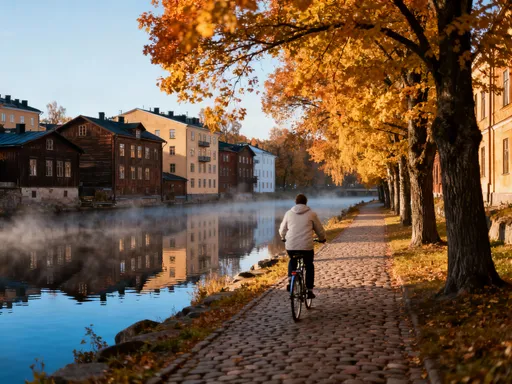
My journey began with a KTX train ride from Seoul, which took just over two hours. As the urban sprawl gave way to rice paddies and small towns, I felt my shoulders relax. By the time I arrived at Gwangju Station, the air felt different — crisper, somehow more present. I was met not with crowds of hurried commuters but with a few families waiting patiently and elderly couples walking hand in hand. The city center is walkable, with wide sidewalks, bike lanes, and public art installations that signal a community proud of its identity.
What struck me most was how untouched it felt by mass tourism. There were no long lines, no souvenir shops on every corner, no pressure to ‘see it all.’ Instead, I found myself pausing often — to watch an older man feed pigeons in the park, to listen to the hum of conversation at a street-side tea stall, to admire the way sunlight filtered through ginkgo trees lining the streets. This stillness isn’t emptiness; it’s space. Space to breathe, to observe, to connect. For travelers seeking more than photo ops, Gwangju offers a rare chance to experience Korea not as a performance, but as a lived reality.
Choosing Gwangju over more famous destinations isn’t about rejecting the well-known — Seoul’s palaces and Busan’s beaches are undeniably impressive. But there’s value in going beyond the obvious. In doing so, you trade convenience for authenticity, efficiency for depth. Gwangju doesn’t shout for attention; it whispers. And if you listen closely, you’ll hear stories that stay with you long after you leave.
Immersing in Tradition: The Heart of Korean Heritage
Gwangju is not merely a city with historical sites — it is a living vessel of Korean tradition. While many places preserve culture behind glass cases or in timed performances, here, heritage isn’t something you visit; it’s something you walk alongside. The city has long been a guardian of intangible cultural assets — skills, songs, rituals passed down through generations. These aren’t relics of the past but active threads in daily life, woven into the fabric of neighborhoods and family routines.
One of the most profound experiences was visiting Mudeungsa Temple, nestled at the foot of Mudeungsan Mountain. The path leading up is lined with pine trees and stone lanterns, their soft glow guiding the way even in daylight. Inside the temple grounds, the scent of incense blends with the sound of chanting monks and the distant chime of a bell. What moved me wasn’t just the beauty of the architecture — though the wooden halls, painted in traditional dancheong colors, are breathtaking — but the quiet reverence of the people there. Locals came not as tourists, but as devotees, lighting candles, bowing, offering silent prayers. There was no rush, no photo-taking frenzy. Just presence.
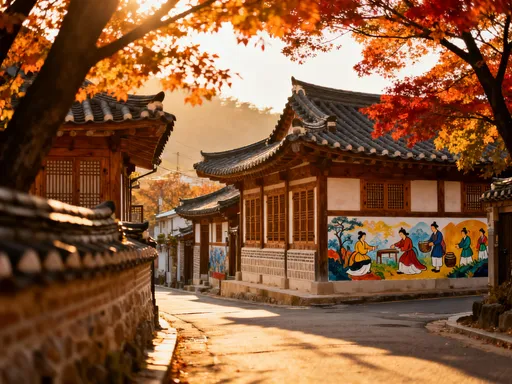
Another glimpse into Korea’s soul came at Yangdong Folk Village, a well-preserved example of a Joseon-era residential settlement. Walking through its narrow lanes, past thatched-roof houses and stone-walled gardens, felt like stepping into a different century. But unlike reconstructed villages built for show, Yangdong is still home to some descendants of the original families. They maintain the ancestral rites, care for the land, and live according to principles of Confucian harmony. I watched an elderly woman hanging laundry outside her home, the fabric fluttering in the breeze like a flag of ordinary dignity. It wasn’t staged; it was real.
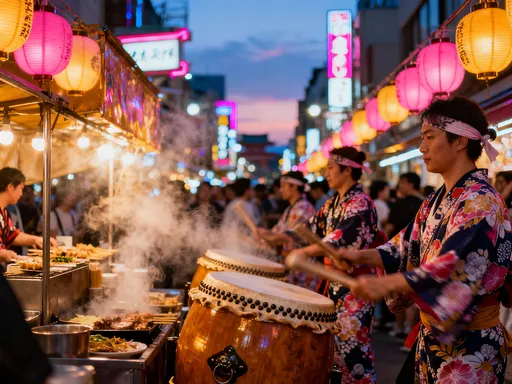
Even in the city center, tradition finds its voice. On weekends, you might come across a spontaneous performance of nongak, or farmers’ music, in a public square — drummers in colorful hats moving in synchronized rhythm, their energy infectious. Or you might hear the delicate notes of a gayageum, a traditional zither, drifting from an open window. These moments aren’t packaged for tourists; they exist because the culture lives. In Gwangju, you don’t have to search for authenticity — it finds you.
Art That Speaks: Gwangju’s Biennale and Street Murals
If tradition forms the soul of Gwangju, then contemporary art is its beating heart. The city has earned international acclaim for the Gwangju Biennale, a major contemporary art exhibition held every two years since 1995. What sets it apart isn’t just the caliber of artists — though works from globally renowned creators have been featured — but its deep connection to local history, particularly the city’s role in the 1980 pro-democracy movement. The Biennale doesn’t shy away from difficult themes; instead, it embraces them, using art as a space for reflection, healing, and dialogue.
Walking through the Biennale’s main venue, the sprawling Gwangju Biennale Hall, I was struck by how seamlessly the past and present coexist. One installation used old protest banners transformed into delicate paper sculptures, their messages preserved but softened by time and craft. Another featured audio recordings of survivors’ testimonies played beneath a canopy of hanging mirrors, forcing viewers to confront both the words and their own reflections. It wasn’t entertainment; it was engagement. Art here doesn’t decorate — it speaks, questions, remembers.
But the artistic spirit of Gwangju isn’t confined to galleries. It spills into the streets, especially in neighborhoods like Ugeum-dong and Jeonil-dong, where alleyways have become open-air canvases. Murals cover entire building facades — some whimsical, others deeply emotional. One depicted a young girl releasing a paper bird into a sky filled with stars; another showed a tree growing from a cracked pavement, its roots wrapped around old photographs. These aren’t random graffiti tags; they’re stories painted in color and light.
I spent an entire afternoon wandering these streets, camera in hand but mostly just absorbing. Children played beneath a mural of dancing cats; a shop owner watered flowers beneath a painting of blooming peonies. The art wasn’t separate from life — it was part of it. Local artists often collaborate with residents, ensuring the murals reflect shared memories and community values. This integration of art into everyday spaces makes Gwangju feel alive in a way few cities do. It’s not about impressing outsiders; it’s about expressing who they are, together.
Taste of Place: Markets, Flavors, and Shared Tables
In any culture, food is more than sustenance — it’s memory, identity, love. And in Gwangju, every meal feels like an invitation. The city’s culinary scene is rooted in the rich agricultural bounty of the Jeolla province, known across Korea for its bold flavors and generous portions. Here, cooking isn’t rushed; it’s a practice of care, often passed from grandmother to granddaughter, recipe to recipe.
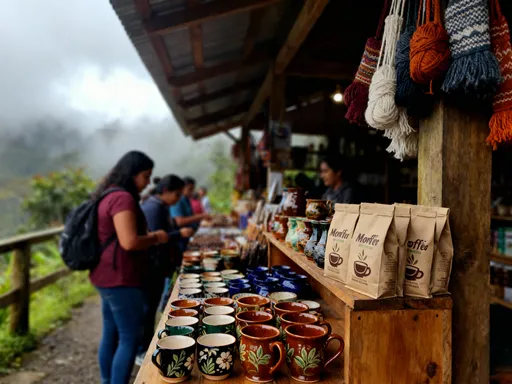
No visit is complete without a walk through Gwangju Yangdong Market, one of the largest traditional markets in the region. Stepping inside is a sensory awakening — the sharp tang of fermented kimchi, the smoky aroma of grilled eel, the sweet scent of freshly baked hotteok (sweet pancakes). Stalls overflow with seasonal vegetables, wild greens, and jars of homemade gochujang. Elderly vendors call out greetings, their voices warm and familiar, as if they’ve known you for years.
I followed the crowd to a small stall known for bossam — steamed pork belly served with a variety of banchan (side dishes). The meat was tender, almost melting, wrapped in crisp perilla leaves with a dab of spicy sauce. As I ate, I noticed how people shared tables, passing dishes and laughing between bites. No one dined alone for long. Later, I tried gosari namul, a dish made from bracken ferns foraged from the mountains. It had a nutty, earthy flavor, stir-fried with garlic and sesame oil — simple, yet deeply satisfying.
What makes Gwangju’s food culture special isn’t just the taste, but the way it brings people together. Meals are rarely eaten in silence. They’re conversations, celebrations, acts of hospitality. At a family-run restaurant tucked behind the market, the owner brought out extra dishes ‘just because,’ saying, ‘You look like you need nourishment.’ That generosity — unexpected, uncalculated — is at the heart of the city’s spirit. To eat in Gwangju is not just to fill your stomach, but to feel seen, welcomed, and cared for.
Living Crafts: Hands-On Workshops and Artisan Studios
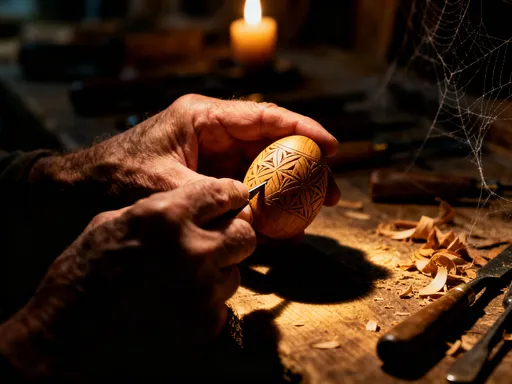
One of the most rewarding parts of my trip was stepping into the world of Gwangju’s artisans. Across the city, small studios and cultural centers offer hands-on workshops where visitors can learn traditional crafts directly from master practitioners. This isn’t about making souvenirs; it’s about understanding the patience, precision, and pride behind each creation.
I signed up for a hanji (traditional Korean paper) making class at a studio near the river. Hanji, made from mulberry bark, has been used for centuries in everything from calligraphy to window coverings. Our instructor, a woman in her sixties with hands worn smooth by years of work, demonstrated the process with quiet dignity. We soaked the fibers, beat them into pulp, and used a bamboo screen to form sheets by hand. It looked simple — until I tried it. The water had to be the right temperature, the pulp evenly distributed, the motion steady. My first few attempts were lumpy, uneven. But she didn’t rush me. ‘Craft is not about perfection,’ she said. ‘It’s about presence.’
Other workshops in the city focus on pottery, weaving, and natural dyeing. At a nearby ceramics studio, I watched a potter shape a bowl on a kick wheel, his foot moving rhythmically to keep the wheel spinning. The clay responded to his touch like it was alive. He explained that each piece carries the energy of its maker — a belief rooted in Korean philosophy. These crafts aren’t just preserved for history’s sake; they’re evolving. Young designers are incorporating traditional techniques into modern homewares, fashion, and even architecture.
Participating in a workshop changed how I see everyday objects. A simple bowl is no longer just a container; it’s a story of soil, fire, and hands. A piece of paper holds more than words — it holds time. In a world of mass production, Gwangju reminds us of the value of making things slowly, with care. And when you leave with something you’ve made yourself, even if it’s imperfect, it becomes a treasure — not because of its beauty, but because of the connection it represents.
Hidden Corners: Offbeat Spots That Define the City’s Soul
While guidebooks highlight the major attractions, the true essence of Gwangju reveals itself in its quieter moments. These are the places that don’t make it onto postcards but linger in your heart. One morning, I followed a narrow path behind Mudeungsa Temple and found a small teahouse built into the hillside. No signs, no website — just a wooden door and the sound of water boiling over a fire. The owner, a Buddhist nun, served me omija tea, made from magnolia berries, its flavor both sweet and sour. We sat in silence, listening to the wind. It wasn’t a performance; it was a gift.
Another discovery was May 18th National Cemetery, a solemn yet peaceful memorial dedicated to the victims of the 1980 democracy movement. Unlike grand monuments that overwhelm, this space invites reflection. Stone pathways lead through a grove of trees, each representing a life lost. Benches bear quotes from letters and poems, handwritten in Korean. I didn’t need to understand every word to feel the weight of what happened — and the courage it took to remember.
Then there’s Poetry Forest Park, a tranquil green space where verses are carved into stones along the walking trails. Children recite them aloud; couples read them together. It’s a rare public space dedicated not to activity, but to thought. And in the Seoseok-dong neighborhood, I stumbled upon a community-run cultural hub where locals gather to paint, write, and share meals. There was no admission fee, no schedule — just an open door and a table full of tea.
These places don’t demand your attention. They wait. And in their stillness, they offer something deeper than entertainment — a sense of belonging, even if you’re just passing through. They remind us that the soul of a city isn’t in its landmarks, but in its quiet corners, where humanity breathes easiest.
Why Gwangju Matters: A Model for Meaningful Travel
Gwangju challenges everything we think we know about travel in Korea. It doesn’t dazzle with neon lights or luxury malls. It doesn’t need to. Instead, it offers something rarer: authenticity that isn’t performative, culture that isn’t packaged, beauty that doesn’t shout. In a world where destinations are often reduced to hashtags and checklists, Gwangju stands as a quiet rebellion — a reminder that the most meaningful journeys are not about how much you see, but how deeply you feel.
This city matters because it shows us a different way to travel — one rooted in respect, presence, and connection. It invites us to slow down, to listen, to participate rather than observe. It proves that you don’t need to be the biggest or the most famous to be significant. Sometimes, the places that whisper are the ones worth leaning in to hear.
For women in their thirties to fifties — many of whom balance family, work, and personal dreams — Gwangju offers more than a getaway. It offers renewal. It’s a place where you can walk without rushing, eat without guilt, create without judgment. Where you’re not just a visitor, but a witness to something real. It reminds you that culture isn’t something you consume — it’s something you live.
So if you’re planning your next trip, consider stepping off the well-trodden path. Look beyond the headlines and the crowds. Seek out places like Gwangju — where tradition and creativity coexist, where art and life are inseparable, where kindness is a language everyone speaks. Because sometimes, the destination you never expected is the one you needed all along. Let Gwangju be your invitation to travel not just across borders, but into the heart of what truly matters.