You Won’t Believe These Hidden Architectural Gems in the Loire Valley
If you think you know the Loire Valley just from its famous châteaux, think again. Beyond the well-trodden paths of Chambord and Chenonceau lies a quieter, more mysterious world of forgotten towers, hidden courtyards, and architectural details most visitors never notice. I wandered through sleepy villages and overgrown gardens, uncovering secrets carved in stone and whispered in staircases. This isn’t just about grandeur—it’s about the subtle genius behind every arch, window, and rooftop. The Loire Valley, often celebrated for its fairy-tale castles, holds deeper treasures for those willing to look beyond the postcard views. These are the quiet marvels: the hand-carved lintels, the moss-covered gargoyles, the spiral stairwells lit by slivers of light. They tell stories not of kings and queens alone, but of artisans, seasons, and silent transformations across centuries. This journey is not about ticking off landmarks, but about rediscovering how architecture shapes memory, emotion, and wonder.
The Loire Valley Beyond the Postcards
The Loire Valley is often reduced to a highlight reel: the double helix staircase at Chambord, the river-spanning elegance of Chenonceau, the romantic silhouette of Azay-le-Rideau reflected in still waters. These sites are undeniably magnificent, drawing millions each year with their grand proportions and storied pasts. Yet, their very fame can obscure a richer, more intimate layer of beauty—the understated details and lesser-known estates that dot the countryside like quiet verses in a well-known poem. For the thoughtful traveler, especially one seeking depth over spectacle, the real magic often lies off the main routes, in places unnamed in glossy brochures and unmarked on standard tourist maps.
Consider the family-owned château near Amboise, its south wing partially collapsed but still bearing the delicate tracery of Renaissance stonework. Or the modest manor outside Saumur, where a single surviving turret hints at a once-grand estate now absorbed by vineyards. These sites are not ruins in the dramatic sense, but living fragments—still cared for, still breathing, though rarely celebrated. They offer a different kind of awe: not the gasp of first sight, but the slow dawning of appreciation for craftsmanship that endured wars, weather, and time. Shifting focus from fame to form allows travelers to engage more personally with history, to see not just what was preserved, but what was lived.
Moreover, this quieter exploration aligns with a growing desire among mature travelers—particularly women between 30 and 55, many of whom travel for renewal, reflection, or connection—to experience places more authentically. They seek not just sightseeing, but soul-searching. By venturing beyond the iconic, they encounter spaces where time feels suspended, where the rustle of leaves in a forgotten courtyard can be as moving as any royal ballroom. This shift in perspective transforms tourism from consumption into contemplation. It invites a slower pace, a more observant eye, and a deeper emotional resonance with the places visited.
Stone Stories: How Architecture Tells History
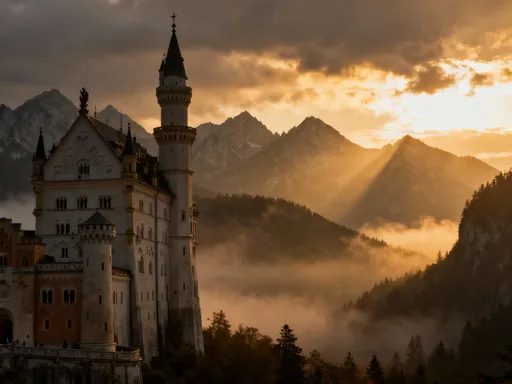
Every stone in the Loire Valley has a story, and the architecture of its buildings forms a visual language that speaks across centuries. The region’s built environment evolved dramatically between the 10th and 17th centuries, reflecting shifts in power, technology, and culture. Early structures were born of necessity—fortified keeps with thick walls, narrow windows, and commanding positions atop hills. These were not designed for comfort, but for survival. Features like machicolations—stone projections with openings through which defenders could drop stones or boiling oil—were not decorative, but deadly practical. They speak of a time when conflict was constant, and every home had to be a stronghold.
As the region entered the Renaissance, peace and prosperity fostered a new architectural spirit. The Loire became a playground for nobility, who sought not just safety, but beauty. The shift is visible in the transition from angular towers to graceful turrets, from dark interiors to sunlit halls. Dormer windows began to pierce steep roofs, allowing light into upper floors. Spiral staircases, once purely functional, were carved with intricate patterns, turning utility into art. The use of tuffeau limestone—a soft, pale stone quarried locally—enabled delicate sculpting, giving buildings a luminous quality that changes with the light.
These architectural changes were not merely aesthetic—they reflected deeper societal transformations. The widening of windows, for instance, signals growing confidence in security; the ornate chimneys and gables, a display of wealth and taste. Even the placement of buildings began to change: instead of being tucked behind walls, châteaux were increasingly oriented toward gardens and rivers, emphasizing harmony with nature rather than isolation from threat. Understanding these details allows visitors to read buildings like texts, where form reveals function, and ornament conveys meaning. It turns a casual glance into an act of historical empathy.
The Secret Courtyards Nobody Talks About
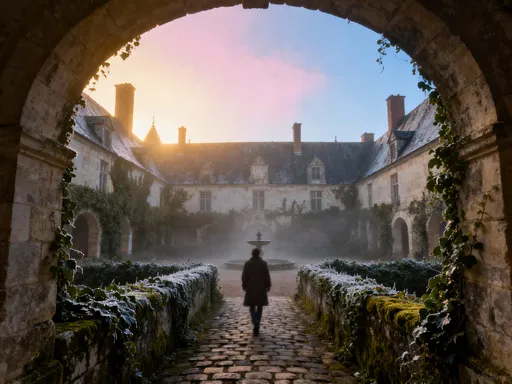
One of the most enchanting yet overlooked aspects of Loire Valley architecture is the hidden courtyard—often concealed behind weathered gates or unassuming doorways, accessible only during special openings or by invitation. These inner sanctuaries are rarely featured in guidebooks, yet they embody the French ideal of privacy, balance, and cultivated beauty. Tucked away from public view, they offer a sense of discovery that few grand halls can match. Imagine stepping through a rusted iron gate to find a perfect square of symmetry: gravel paths radiating from a central fountain, now dry but still crowned with lichen-covered stonework, flanked by climbing roses and centuries-old yew trees trimmed into elegant shapes.
These courtyards were not just functional spaces; they were designed as microcosms of order and refinement. Their geometry reflects Renaissance principles of proportion and harmony, influenced by Italian ideals brought north by traveling architects and nobles. The placement of windows, doors, and arcades creates visual rhythms that guide the eye and soothe the mind. In smaller estates, these spaces often served as private retreats for families, places for quiet conversation, reading, or tending to herbs and flowers. They were the heart of domestic life, shielded from the outside world.
Access to such spaces is often limited, making their discovery all the more special. During European Heritage Days in September, many private homes and lesser-known châteaux open their doors to the public, offering rare glimpses into these secluded worlds. Local festivals, too, sometimes include garden tours or architectural walks led by residents who have lived among these stones for generations. These moments of access are fleeting but powerful, allowing visitors to step into a living history that feels personal and intimate. For the attentive traveler, a single afternoon in one of these courtyards can become a lasting memory—not because of grandeur, but because of the quiet perfection of design and the sense of stepping into someone else’s private dream.
Rooflines That Steal the Show
While most visitors look at châteaux straight on, the true architectural drama often unfolds above eye level. The rooflines of the Loire Valley are a masterpiece of form and function, a skyline of conical turrets, steeply pitched slate roofs, and ornate chimney stacks that rise like stone forests against the sky. These elements are more than decorative—they are testaments to engineering ingenuity, regional materials, and social ambition. The use of dark slate, quarried in the nearby Massif Central, allowed for durable, watertight roofs that could withstand the region’s damp climate. Laid in overlapping patterns—sometimes in fish-scale designs—they catch the light in shimmering waves, especially at dawn or after rain.
The turrets, often crowned with pointed caps, were not merely whimsical additions. Their conical shape helped shed snow and rain, while their height provided vantage points for surveillance in earlier times. Over the centuries, their purpose shifted from utility to symbolism, becoming markers of prestige and style. A château with multiple turrets was not just well-protected—it was well-appointed, a statement of wealth and taste. Similarly, the chimneys, often clustered in elaborate groupings, were both practical and expressive. Each fireplace required its own flue, but masons turned necessity into art, carving them with twists, flutes, and even coats of arms.
Walking through the valley at sunrise, one can witness these rooflines in their full glory. Mist curls around stone spires, softening their edges, while the first light turns slate tiles from gray to silver. In villages like Candes-Saint-Martin or Monthlery, the rooftops create a rhythm of peaks and valleys, echoing the natural landscape. For photographers and sketch artists, these silhouettes offer endless inspiration. But even for the casual observer, looking up can transform a familiar scene into something magical. It’s a reminder that beauty often resides in the overlooked—the upper stories, the edges, the spaces between.
Windows with a View (and a Purpose)
Windows in the Loire Valley are more than portals to light—they are historical markers, evolving from narrow defensive slits to expansive bays that embrace the landscape. In medieval towers, windows were minimal and high, designed to keep out invaders while allowing archers to aim. These arrow slits, barely wide enough for a hand, are still visible in older sections of châteaux like Langeais or Montsoreau. As security improved, windows grew larger, reflecting a growing desire for comfort, light, and connection to the outdoors. The Renaissance brought the mullioned window—divided by vertical stone bars—allowing for larger panes while maintaining structural integrity.
By the 16th century, bay windows and oriel windows projected outward from walls, offering panoramic views of gardens and rivers. These were not just functional; they were social spaces, where nobility could sit, read, or receive guests while observing the world below. The placement of windows was carefully calculated: south-facing ones maximized sunlight, while those overlooking formal gardens framed nature like living paintings. Some even included built-in stone benches, inviting lingering contemplation.
Equally significant are the decorative details surrounding windows. Limestone surrounds were often carved with floral motifs, family crests, or mythological figures, turning each opening into a work of art. Traces of stained glass, though rare due to age and war, can still be found in some chapels and private chapels within estates. These fragments—blues, reds, and golds catching the afternoon sun—hint at a lost splendor. For the observant traveler, studying windows becomes a way to trace the valley’s evolution: from fear to openness, from isolation to engagement, from darkness to light.
Why These Details Change How You Travel
Noticing architectural details does more than enrich a trip—it transforms the very nature of travel. When visitors shift from seeing buildings as backdrops to studying them as texts, their experience becomes slower, more intentional, and deeply personal. This is especially meaningful for women in their 30s to 50s, many of whom travel not just for leisure, but for reflection, creativity, or reconnection. A sketchbook in hand, a camera set to macro mode, or simply a more attentive gaze can turn a standard tour into a journey of discovery. Instead of rushing from one château to the next, they might spend an hour studying the curve of a staircase or the pattern of a tiled floor.
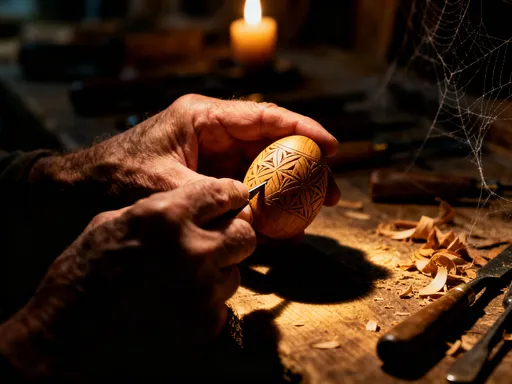
Slower travel also fosters emotional connection. There is something profoundly moving about touching a stone worn smooth by centuries of hands, or standing in a courtyard where laughter once echoed but now holds only silence. These moments invite introspection, a sense of continuity between past and present. They remind us that beauty endures, even in fragments. Moreover, focusing on craftsmanship cultivates gratitude—for the unnamed artisans who carved stone by candlelight, for the families who preserved these places through generations, for the quiet resilience of design.
Practical steps can enhance this deeper engagement. Visiting in the shoulder seasons—April or October—means fewer crowds and softer light, ideal for photography and contemplation. Hiring a local guide, particularly one with a background in architecture or art history, can unlock stories invisible to the casual eye. Some guides specialize in ‘detail tours,’ focusing not on kings and battles, but on masons, materials, and motifs. Even reading a short primer on French architectural styles before arrival can heighten awareness, turning random observations into meaningful insights.
Finding Your Own Secret Spots
The joy of discovering hidden architecture lies not just in the finding, but in the seeking. The Loire Valley rewards curiosity, especially when travelers step beyond organized tours and embrace a spirit of gentle exploration. Regional maps, particularly those produced by local tourist offices, often mark lesser-known sites—small châteaux, historic farms, or religious buildings open by appointment. Cycling routes, such as those along the Loire à Vélo path, pass through villages where a turned corner might reveal a half-hidden gate leading to a walled garden or a forgotten chapel.
Timing is equally important. European Heritage Days, held annually in September, offer unparalleled access to private homes, restoration projects, and restricted areas of historic buildings. These weekends are not crowded with international tourists but filled with locals and passionate visitors, creating a warm, communal atmosphere. Attending a village market or stopping for coffee in a café can also lead to unexpected discoveries. A conversation with a shopkeeper might reveal that the house next door,看似 ordinary, was once the residence of a royal gardener or contains a hidden fresco beneath its plaster.
Of course, respect for privacy is essential. Many of these architectural gems are still homes, cared for by families who value their tranquility. Observing from the street, photographing from public paths, and never trespassing are basic principles of ethical exploration. But within those boundaries, there is ample room for wonder. The goal is not to uncover secrets for the sake of novelty, but to develop a deeper relationship with place—one built on patience, respect, and quiet attention.
The Loire Valley’s soul isn’t only in its grand facades but in the quiet details most overlook—the curve of a staircase, the pattern of a roof, the silence of a hidden courtyard. When we slow down and look closer, we don’t just see buildings; we feel time, artistry, and human ambition. These secrets aren’t lost—they’re waiting. They await the traveler who pauses, who looks up, who touches the stone not as a tourist, but as a witness. And in that moment of connection, the past doesn’t just speak—it breathes.