You Gotta See These Hidden Spots in Turku – Pure Magic!
Turku, Finland might not be the first name that pops up when you think of Nordic getaways, but trust me, this coastal gem is a quiet powerhouse of charm and character. Nestled along the Aura River, it blends history, nature, and modern Finnish life in a way that feels both authentic and refreshingly relaxed. If you're looking for leisure spots that locals actually love—not just tourist traps—then Turku delivers in the best possible way. From riverside hangouts to cozy cafés and green escapes, I’ll take you through the real spots that make downtime here truly special. This is a city where every cobblestone path, every sunlit park bench, and every steam rising from a café window tells a story of balance—between past and present, urban life and wilderness, stillness and gentle movement.
Why Turku Deserves Your Attention for Leisure Travel
Turku stands apart from other Finnish cities not because it’s grand or flashy, but because it offers something increasingly rare: authenticity with ease. As Finland’s oldest city and its former capital, Turku carries centuries of history in its architecture, street patterns, and cultural rhythm. Yet unlike larger metropolises such as Helsinki, Turku remains compact and deeply walkable. The city center unfolds naturally along the banks of the Aura River, making navigation intuitive and stress-free. You won’t need maps or transit apps to feel oriented—just follow the flow of the water, and you’ll find yourself where you need to be.
What truly sets Turku apart is its pace. Life here moves gently, shaped by the seasons and the natural world. There’s no rush to see everything in one day because the city invites lingering. Whether you’re sitting on a bench watching rowers glide past at sunrise or browsing a small bookstore tucked into a centuries-old building, time feels more generous. This slower tempo makes Turku an ideal destination for travelers seeking meaningful relaxation rather than checklist tourism. It’s not about ticking off landmarks; it’s about absorbing the atmosphere, engaging with local life, and allowing yourself to unplug.
The city’s blend of old-world charm and contemporary culture creates a layered experience. Medieval churches stand near modern art galleries. Traditional wooden houses line streets where cyclists weave through morning commuters. Turku doesn’t try to hide its history—it celebrates it, while also embracing innovation. The University of Turku and Åbo Akademi bring youthful energy, especially during the academic year, adding vibrancy without overwhelming the city’s calm. For travelers who value depth over dazzle, Turku offers a rewarding balance—a place where heritage and modernity coexist in harmony, and where leisure isn’t scheduled, but felt.
The Heartbeat of the City: Aura River and Its Riverside Vibes
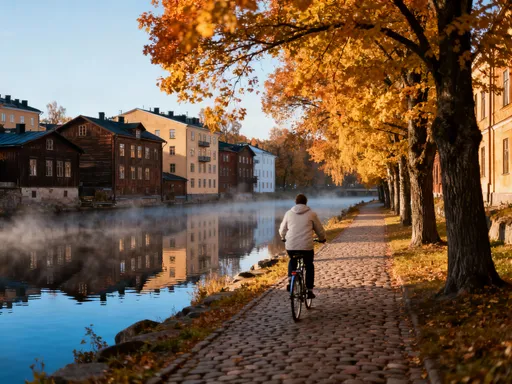
The Aura River is more than just a geographical feature—it’s the soul of Turku. Flowing quietly through the heart of the city, it serves as a natural spine around which daily life unfolds. Locals walk, cycle, and gather along its banks, drawn by the sense of openness and serenity it provides. The river isn’t wide or dramatic, but its presence is constant, offering a soothing backdrop to everything from morning commutes to evening strolls. In summer, the waters shimmer under long daylight hours, reflecting the greenery and historic buildings that line its shores. In winter, they freeze over in parts, transforming into a quiet, snow-draped landscape that feels almost otherworldly.
Along the river, pathways invite exploration. The most popular stretch runs from Turku Cathedral down toward the old town district of Luostarinmäki, where 18th-century wooden houses have been preserved as an open-air museum. This route is perfect for a leisurely walk, with benches placed at intervals for rest and reflection. During warmer months, outdoor terraces spring up along the banks, serving coffee, light meals, and local craft drinks. Cafés like Pohjolan Pirtti and Riverhouse open their doors to the river, letting guests sip their lattes with a view of passing boats and swans gliding by. The atmosphere is relaxed, unhurried—exactly what many travelers seek when escaping urban stress.
Seasonal changes deeply influence how people interact with the river. In summer, the Aura becomes a hub of activity: kayakers paddle upstream, families picnic on grassy banks, and students lounge with books and guitars. The annual Ruissalo Music Festival and Turku River Festival draw crowds to the waterfront, celebrating music, food, and community. In contrast, winter brings stillness. The riverbanks are dusted with snow, and the occasional ice skater ventures onto frozen sections under the soft glow of streetlamps. Even in cold weather, the river remains a place of connection—Finnish families bundle up for evening walks, children build snowmen near the bridges, and couples pause to take in the quiet beauty. This duality—lively in summer, meditative in winter—makes the Aura River a year-round centerpiece of Turku’s leisure culture.
Café Culture Done Right: Where Locals Sip and Unwind
In Turku, coffee is more than a beverage—it’s a ritual, a moment of pause in the day, and a way of connecting with others. The city’s café scene thrives on independence, quality, and warmth. Unlike chain-dominated cities, Turku is filled with small, locally owned cafés where baristas know their beans, their customers, and the art of creating a welcoming space. These spots are not just places to grab a quick drink; they’re destinations in themselves, where people come to read, write, meet friends, or simply watch the world go by.
One standout is Cafe Regatta, a charming wooden kiosk perched right on the Aura Riverbank. Originally built as a temporary structure for a design competition, it became so beloved that it stayed. With its minimalist Finnish design and panoramic river views, it’s a favorite for both tourists and locals. The menu focuses on high-quality coffee, homemade pastries, and light seasonal dishes. Imagine sipping a smooth flat white while watching the morning mist rise off the water, or enjoying a cinnamon bun as rowers pass by in synchronized rhythm. The seating is limited, so it’s best visited early, but even a short stop here feels like a reset button for the mind.
Another must-visit is Kaffa Roastery, a specialty coffee haven known for its single-origin brews and meticulous preparation. Located near the Market Square, it draws coffee enthusiasts who appreciate the craft behind each cup. The space is modern yet cozy, with wooden accents and an open counter where you can see the roasting process. Beyond coffee, Kaffa offers pastries from local bakeries and hosts occasional tasting events. It’s not unusual to see someone lingering over a notebook for hours, fueled by expertly brewed pour-overs. Other notable spots include Punavuori Coffee & Kitchen, which blends Nordic flavors with international influences, and Lounatuubi, a student-friendly café near the university that doubles as a cultural hub with art exhibitions and live music.
These cafés reflect a deeper truth about Finnish life: the value of slowing down. The concept of kahvi—coffee time—is sacred. It’s not rushed. It’s not multitasked. It’s a deliberate pause, often accompanied by a sweet treat and conversation. In Turku, this tradition is alive and well. Whether you’re sitting by the river, tucked into a quiet corner of an old building, or sharing a table with strangers at a communal bench, the city’s café culture offers a gentle invitation to be present.
Green Escapes Within Reach: Parks and Nature Near the Center
One of Turku’s greatest strengths is how seamlessly nature integrates with urban life. Within minutes of the city center, you can find yourself surrounded by trees, birdsong, and open sky. This accessibility to green space is central to the Finnish way of life, and Turku delivers it beautifully. Two standout destinations—Kupittaa Park and Ruissalo Island—offer vastly different yet equally rewarding experiences for those seeking relaxation, exercise, or family-friendly outings.
Kupittaa Park is a favorite among locals for its versatility. Spanning over 60 hectares, it combines formal gardens, open lawns, walking and cycling paths, and recreational facilities. In spring and summer, the park bursts with color—tulips, daffodils, and rhododendrons bloom in carefully curated beds, while children play in the large playground and families picnic under trees. The park is also home to the Turku Concert Hall and Kupittaa Sports Park, making it a cultural and athletic hub as well. Joggers, dog walkers, and cyclists share the paved paths, moving at their own pace. In winter, the park transforms: paths are cleared for walking, and sections are used for cross-country skiing. The atmosphere remains peaceful, even when snow covers the ground.
Ruissalo Island, just a short bus or bike ride from the center, offers a wilder, more immersive nature experience. Connected by a bridge, this forested island is part of the Archipelago Sea biosphere reserve. Its dense pine and birch forests, rocky shores, and quiet trails make it feel like a true escape—yet it’s easily accessible. The island features several walking routes, ranging from short loops to longer hikes, all well-marked and maintained. In summer, visitors swim at sandy beaches, rent canoes, or enjoy lunch at the historic Ruissalo Manor Restaurant, which serves traditional Finnish dishes with a modern twist. The manor grounds are open to the public, offering picnic areas and shaded benches perfect for reading or napping.
What makes these green spaces so valuable is not just their beauty, but their role in everyday life. Finns believe in friluftsliv—the idea that time spent in nature is essential for mental and physical well-being. In Turku, this philosophy is built into the city’s design. Public transport, bike lanes, and clear signage make it easy for anyone—residents or visitors—to incorporate nature into their day. Whether you’re seeking solitude, family fun, or light exercise, these parks and forests offer a refreshing counterbalance to urban energy, reinforcing Turku’s identity as a city that nurtures both body and soul.
Museums and Creative Spaces That Double as Relaxation Zones
Turku’s cultural offerings go beyond traditional museums—they are spaces designed for contemplation, discovery, and quiet engagement. Unlike large, overwhelming institutions found in capital cities, Turku’s museums are intimate, thoughtfully curated, and often located in historically significant buildings. They don’t demand hours of your time; instead, they invite you to slow down, observe, and reflect. This makes them ideal for travelers who want to enrich their journey without feeling drained.
One of the most unique is Aboa Vetus & Ars Nova, a museum that seamlessly blends archaeology and contemporary art. Housed partly in medieval cellars uncovered during construction, the site reveals layers of Turku’s past—ancient foundations, old streets, and artifacts from centuries ago. These historical sections, known as Aboa Vetus (“Old Turku”), are connected to Ars Nova (“New Art”), a modern exhibition space above ground. The contrast is striking: one moment you’re walking through a 14th-century cellar, the next you’re viewing a light installation or sound-based artwork. The transitions are smooth, the lighting soft, and the overall experience calming. Interactive elements encourage gentle participation without pressure, making it accessible for all ages.
Another gem is the Turku Art Museum, located on the banks of the Aura River. The building itself—a sleek, modern structure with large windows—frames views of the water and sky, blurring the line between inside and outside. The museum focuses on Finnish art from the 19th century to the present, with rotating exhibitions that often explore themes of nature, identity, and light. The galleries are spacious and uncluttered, allowing each piece room to breathe. Benches are placed throughout, inviting visitors to sit and absorb not just the art, but the atmosphere. The on-site café, with its river views, is perfect for post-exhibition reflection.
These institutions are more than repositories of culture—they are sanctuaries. The quiet lighting, thoughtful layouts, and emphasis on sensory experience make them ideal for travelers seeking mental space. In a world where tourism often means rushing from one site to the next, Turku’s museums offer a different rhythm. They don’t require you to know everything or see everything. They simply ask you to be present. Whether you spend 20 minutes or two hours, the experience leaves you feeling refreshed, not exhausted—a rare quality in cultural tourism.
Offbeat Hangouts: Quirky Spots Only Locals Know
Beyond the well-trodden paths lie the hidden corners that give Turku its true character. These are the places you won’t find in guidebooks, but that locals cherish—spots born from creativity, community, and a love for the unexpected. They’re not flashy or trendy, but authentic and often fleeting, appearing during festivals, in repurposed buildings, or tucked behind unmarked doors.
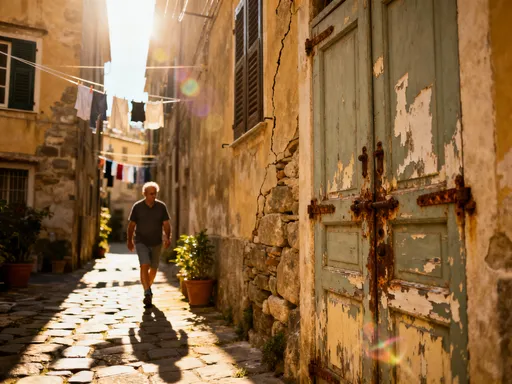
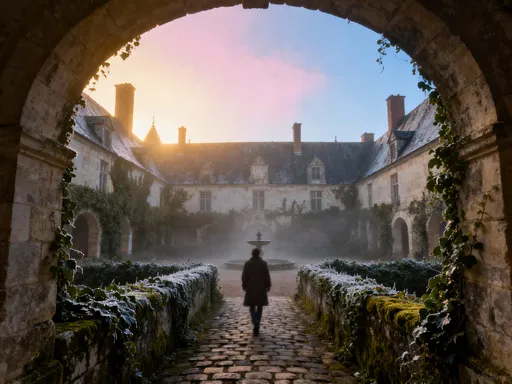
One such place is the network of hidden courtyards in the old town. Wandering through narrow streets, you might stumble upon a gated passage that opens into a sunlit courtyard, filled with potted plants, wooden benches, and the sound of a distant radio. These spaces, once backyards for artisans and merchants, are now shared by residents and occasionally opened to the public during events like Turku’s Courtyard Day. On that day, locals serve homemade cakes, play music, and welcome visitors into their private worlds—a rare and heartwarming experience.
Another local favorite is the pop-up culture that flourishes in summer. During the Turku Medieval Market and Ruissalo Music Festival, temporary bars and lounges appear in unexpected places—abandoned warehouses, forest clearings, even barges on the river. These spaces are often run by artists, students, or community groups, serving craft beer, local cider, and simple snacks. The vibe is informal, inclusive, and full of energy. You might find yourself dancing under the midnight sun or sharing stories with strangers around a fire pit.
Vintage shops also double as hangouts. Stores like Second Life and Re-Tuuri don’t just sell clothes—they host small exhibitions, coffee mornings, and repair workshops. Some have cozy corners with armchairs and bookshelves, inviting customers to linger. These spaces reflect a growing movement in Finland toward sustainability and mindful consumption, where shopping becomes a social, creative act rather than a transaction.
Finding these spots often comes down to curiosity and connection. Talk to a barista, check community boards in cafés, or simply wander without a map. Turku rewards those who explore with an open mind. These offbeat places aren’t about spectacle—they’re about belonging, even if just for an hour. They remind us that the best travel moments often happen when we step off the planned route and let the city reveal itself.
Putting It All Together: Planning Your Ideal Leisure Day in Turku
Imagine a day in Turku that flows as naturally as the Aura River. You wake up without an alarm, let the soft morning light guide you into the day. Your goal isn’t to see everything, but to feel everything—to absorb the rhythm of the city and let it soothe your spirit. Here’s how such a day might unfold.
Begin at Cafe Regatta around 9 a.m. The river is calm, the air fresh. Order a cappuccino and a cardamom bun, and sit outside if the weather allows. Watch the city wake up—cyclists on the path, a delivery boat heading upstream, a dog splashing in the water. After 45 minutes of quiet enjoyment, walk toward the cathedral, passing the old wooden houses of Luostarinmäki. Spend an hour exploring the open-air museum, imagining life in 18th-century Turku.
By noon, head to Kupittaa Park. It’s a 20-minute walk or a short bus ride. Pack a light lunch from the market or grab a sandwich from a bakery en route. Find a bench under a tree or spread a blanket on the grass. Let the sounds of birds and children playing wash over you. If energy allows, walk part of the loop trail or visit the concert hall grounds. Stay for at least an hour, letting your mind unwind.
In the early afternoon, visit the Turku Art Museum. It’s easily reachable by bus or a pleasant 25-minute walk along the river. Spend 60 to 90 minutes moving through the galleries at your own pace. Don’t feel pressured to see everything—focus on what resonates. Have a coffee in the museum café before heading out.
As evening approaches, return to the riverbank near the cathedral. Walk slowly downstream, perhaps stopping at a small kiosk for a warm drink. If it’s summer, you might catch live music at a riverside stage. If it’s winter, enjoy the quiet, the snow, the glow of streetlamps on ice. End your day at a cozy restaurant—perhaps one serving local fish or seasonal vegetables—and reflect on the calm you’ve gathered.
This itinerary isn’t rigid. It’s a suggestion, a framework. The beauty of Turku is that you can adjust it to your mood. Skip the museum if you’d rather read in the park. Stay longer at the café. Wander into a courtyard you’ve never seen. The city supports flexibility, making it ideal for travelers who want to recharge rather than race.
Final Thoughts: Why Slowing Down in Turku Changes How You Travel
Turku doesn’t shout for attention. It doesn’t dazzle with skyscrapers or flood you with crowds. Instead, it whispers—a quiet invitation to slow down, to notice, to breathe. In a world where travel often means checking boxes and chasing highlights, Turku offers a different philosophy: that the most meaningful journeys are the ones that change how you feel, not just where you’ve been.
This city teaches the value of presence. Whether you’re sipping coffee by the river, walking through a sun-dappled forest, or standing in silence before a painting, Turku encourages you to be here, now. It reminds us that leisure isn’t about doing nothing—it’s about doing what matters at the right pace. It’s about connection: to nature, to culture, to yourself.
Choosing a destination like Turku is a quiet act of resistance against the rush of modern life. It says you value depth over speed, authenticity over spectacle, stillness over noise. And in that choice, you rediscover what travel can truly be—not an escape, but a return. A return to balance, to wonder, to the simple joy of being alive in a beautiful place.
So if you’re ready to experience Finnish leisure at its finest, let Turku be your guide. Pack light, move slow, and open your heart to the quiet magic of a city that knows how to live well. You might just find that the most unforgettable moments aren’t the ones you planned—but the ones you allowed yourself to feel.