You Won’t Believe What I Found in Paris — A Shopper’s Dream Uncovered
Paris isn’t just about croissants and the Eiffel Tower — it’s a full-on fashion playground. I’ve wandered the cobbled streets with shopping bags in hand, hunting for that perfect piece only Paris can deliver. From hidden boutiques to iconic arcades, the city turns shopping into an art form. If you think Parisian style is out of reach, think again — this is real, tangible magic you can touch, try on, and take home. More than a retail experience, shopping in Paris is a journey through culture, craftsmanship, and quiet confidence. It’s not about filling a closet; it’s about curating a life.
The Allure of Parisian Shopping – More Than Just Fashion
Shopping in Paris transcends the simple act of buying. It is a ritual, a sensory immersion that engages sight, touch, and even scent. The city’s boutiques are not merely stores; they are curated spaces where design, history, and personal expression converge. Unlike the fast-paced, transaction-heavy environments of other global shopping capitals like New York or Tokyo, Paris invites you to slow down. The rhythm is deliberate. A boutique in Saint-Germain might greet you with the soft chime of a bell, the warmth of polished wood, and the subtle fragrance of lavender or leather. These details are not accidental — they are part of the experience.
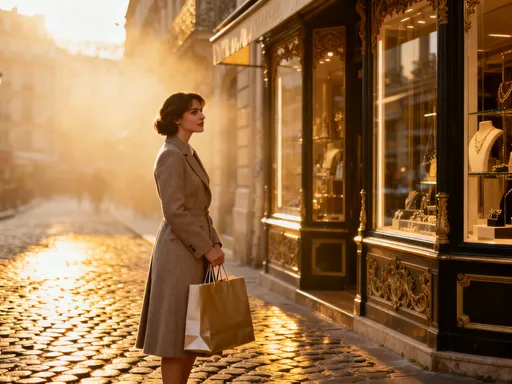
Window displays in Paris are miniature works of art, often changing with the seasons or aligned with cultural moments. On Rue du Faubourg Saint-Honoré, mannequins draped in flowing silk stand like sculptures, framed by antique mirrors and gilded accents. In Montmartre, small shops use hand-painted signs and fresh flowers to draw attention, not flashy lights. This attention to detail reflects a deeper cultural value: the belief that beauty and function can coexist. Shopping here is not just about acquisition; it’s about appreciation.
Compared to other fashion capitals, Paris offers a unique balance between accessibility and elegance. Milan dazzles with opulence, London pulses with edgy innovation, and Los Angeles leans into casual cool. But Paris? Paris whispers. It doesn’t shout its style — it lets you discover it. The city’s shopping culture is rooted in a respect for craftsmanship, a preference for quality over quantity, and an understated confidence that resonates with women who value timelessness. Whether you’re browsing a luxury flagship or a tiny artisan shop, the message is consistent: what you wear matters, and so does how you choose it.
Le Marais – Where Trend Meets Tradition
If Paris were a fashion novel, Le Marais would be its most compelling chapter. Nestled in the heart of the city’s 3rd and 4th arrondissements, this historic district blends 17th-century architecture with a refreshingly modern spirit. Its narrow cobblestone streets, once home to aristocrats and artists, now host a vibrant mix of independent designers, concept stores, and vintage boutiques. It’s a neighborhood where fashion feels personal, not performative. Women of all ages stroll with tote bags from local shops, sipping coffee at sidewalk cafés, stopping to admire a hand-stitched leather bag in a tiny window display.
One of the district’s most celebrated destinations is Merci, a concept store that redefines what a shop can be. Housed in a converted textile workshop, Merci offers everything from minimalist clothing to home goods, all curated with a keen eye for sustainability and design. The store’s café on the upper floor provides a quiet retreat, where visitors can reflect on their finds over a bowl of seasonal soup. Nearby, KB Vintage draws fashion lovers with its carefully selected collection of secondhand treasures — think 1980s Yves Saint Laurent blazers and vintage Hermès scarves, all in excellent condition.
But Le Marais is more than a collection of stores — it’s a lifestyle. The neighborhood is perfectly walkable, with wide sidewalks and tree-lined squares that invite leisurely exploration. Cafés like Breizh Café and Café Charlot offer organic pastries and fair-trade coffee, reinforcing the area’s commitment to mindful living. Shopping here feels intentional, almost meditative. There are no loud sales signs or pushy staff. Instead, shopkeepers greet you with a polite bonjour, then give you space to browse. This respect for personal pace is a hallmark of Parisian retail culture and one that many visitors find deeply refreshing.
Champs-Élysées & Opera District – Iconic Retail Landscapes
No discussion of Parisian shopping would be complete without mentioning the Champs-Élysées, the city’s most famous avenue and a symbol of grandeur. Stretching from the Arc de Triomphe to Place de la Concorde, this bustling boulevard is lined with flagship stores from global brands like Louis Vuitton, Sephora, and Zara. The energy here is electric, especially in the evenings when the streetlights glow and tourists fill the sidewalks. While some critics argue that the Champs-Élysées has become too commercial, it remains a must-see for first-time visitors and a reliable destination for those seeking familiar luxury.
Yet just a short walk away, the Opera district offers a more refined retail experience. At its heart stands Galeries Lafayette, a department store that is as much a tourist attraction as it is a shopping destination. The store’s iconic glass dome, inspired by Art Nouveau design, floods the central atrium with natural light, creating a cathedral-like atmosphere. Visitors can take the escalators up to the rooftop terrace for a panoramic view of Paris, including a close-up of the Eiffel Tower. But beyond the spectacle, Galeries Lafayette excels in curation. Its lower floors feature emerging French designers, offering accessible entry points into high fashion.
For a more personalized experience, the store offers a complimentary personal shopping service, available by appointment. A stylist can guide you through collections, suggest pairings, and even arrange private fittings. This level of service reflects a broader trend in Parisian retail: the idea that shopping should be tailored, not transactional. Other landmarks in the area, such as Printemps Haussmann, offer similar luxuries, including beauty lounges and gourmet food halls. To make the most of these spaces, experts recommend visiting early in the morning or on weekdays to avoid weekend crowds. A little planning transforms a potentially overwhelming experience into a serene and productive one.
Hidden Gems: Off-the-Beaten-Path Shopping Experiences
While the well-known avenues dazzle, some of Paris’s most memorable shopping moments happen in quiet corners. Streets like Rue Charlot, Rue des Martyrs, and the Passages Couverts reveal a more intimate side of the city — one where artisans still work by hand and shopkeepers remember your name. These areas are not listed in every guidebook, and that’s part of their charm. They offer authenticity in a city where tourism can sometimes overshadow local life.
Rue Charlot, in the 3rd arrondissement, is a favorite among in-the-know Parisians. Here, small ateliers sell handmade ceramics, linen clothing, and one-of-a-kind jewelry. Stores like The Socialite Family boutique offer minimalist homewares that reflect the French love for understated elegance. A few doors down, a tiny perfumery might invite you to sample a bespoke scent crafted by a local nose. These shops are not about mass appeal; they’re about resonance. What you find here isn’t just a product — it’s a story.
Equally enchanting are the Passages Couverts, a network of 19th-century covered arcades that once revolutionized shopping in Paris. These glass-roofed walkways, such as Galerie Vivienne and Passage des Panoramas, are lined with bookshops, tea merchants, and antique dealers. Walking through them feels like stepping into a different era. The floors are often mosaic-tiled, the gas lamps converted to electric but still ornate. Some passages even host small art galleries or vintage clothing stalls. These spaces are perfect for slow shopping — the kind where you let curiosity lead you, not a checklist.
For the best experience, visit these hidden spots on weekday mornings. That’s when local residents are out running errands, and the shops are less crowded. Bring cash for smaller vendors, and don’t hesitate to engage with shop owners. A simple bonjour and a few polite questions in French — even if imperfect — go a long way. Most Parisians appreciate the effort and may share recommendations or even offer a small discount. These interactions transform shopping from a chore into a connection.
Vintage & Secondhand: A Sustainable Style Statement
In recent years, vintage shopping has become more than a trend in Paris — it’s a statement of values. With growing awareness of fashion’s environmental impact, many Parisian women are turning to secondhand stores not out of necessity, but by choice. What sets Paris apart is the way vintage is treated here: not as a budget alternative, but as a luxury in its own right. The city’s vintage scene is sophisticated, selective, and deeply stylish.
Establishments like Didier Ludot, located near the Palais Royal, specialize in high-end vintage couture. The boutique features pieces from legendary designers such as Chanel, Dior, and Balenciaga, all meticulously preserved. Shopping here feels no different from browsing a new collection — the garments are displayed with care, the staff are knowledgeable, and the prices reflect the rarity and condition of the items. For a more accessible option, Free’P’Star in the 10th arrondissement offers a vast selection of gently used clothing at reasonable prices. The store is organized by size and color, making it easy to navigate.
When shopping for vintage in Paris, a few practical tips can enhance the experience. First, be prepared for smaller sizes — French sizing runs smaller than American or UK standards. A size 38 in France is roughly equivalent to a US 6, but fit can vary. Always try items on when possible. Second, inspect garments closely for signs of wear, especially in seams and underarms. Many stores do not allow returns, so attention to detail is key. Finally, embrace the hunt. The joy of vintage lies in discovery — that moment when you find a silk blouse from the 1970s or a pair of perfectly tailored trousers that seem made for you.
More than just a way to save money, vintage shopping in Paris aligns with a broader cultural ethos: the belief that quality endures. A well-made coat from 30 years ago can outlast three fast-fashion versions. By choosing secondhand, Parisian women are not only expressing their individuality but also making a quiet commitment to sustainability. This mindset is increasingly influencing how younger generations approach fashion — with care, intention, and respect for the past.
The Art of the Shopping Ritual – French Style Secrets
One of the most striking observations about Parisian women is how little they seem to buy — and yet, they always look impeccably put together. The secret lies not in what they purchase, but in how they shop. Parisian style is built on a foundation of minimalism, confidence, and a deep understanding of personal taste. These women don’t follow trends blindly; they edit them. They walk into a store with a clear sense of what suits their body, lifestyle, and values.
The Parisian shopping ritual is deliberate. It begins with observation — noticing how light falls on a fabric, how a jacket drapes on the shoulders, how a pair of shoes feels after three steps. There’s no rushing. A woman might spend 20 minutes examining the stitching on a sweater or testing the weight of a handbag. This attention to detail reflects a broader philosophy: that clothing should serve a purpose and last for years. As a result, Parisians invest in fewer, higher-quality pieces. A single wool coat, well-cut and timeless, can anchor a winter wardrobe for a decade.
Tailoring is another cornerstone of the Parisian approach. Many women have key pieces altered to fit perfectly — a hem adjusted, a waist taken in. This practice underscores the belief that clothes should conform to the body, not the other way around. Fabric quality is equally important. Natural fibers like cotton, wool, silk, and linen are preferred for their breathability, durability, and elegance. Synthetic blends are rarely seen in a Parisian’s core wardrobe.
For visitors, adopting even a fraction of this mindset can transform their shopping experience. Instead of buying everything that catches the eye, try asking: Will I wear this at least 30 times? Does it complement what I already own? Does it reflect who I am? These simple questions foster a more intentional relationship with fashion. And over time, they lead to a closet that feels curated, not cluttered — a true reflection of personal style.
Practical Tips for a Seamless Shopping Experience
To make the most of shopping in Paris, a few practical considerations can make a big difference. First, understand the tax refund system. Non-EU residents are eligible for a VAT refund on purchases over €100 from participating stores. At checkout, ask for a tax-free form, keep your receipts, and have your passport ready. You can process the refund at the airport before departure, either at a kiosk or a customs desk. While the process takes a few extra minutes, it can result in savings of 12% or more.
Store hours in Paris are more limited than in many other cities. Most boutiques open around 10 a.m. and close between 7 and 8 p.m., with a break from 12:30 to 2 p.m. for lunch. Department stores like Galeries Lafayette stay open later, often until 9 p.m. Sundays are becoming more common for shopping, but many smaller shops remain closed. Mondays and Saturdays are typically the busiest days, so consider shopping on Tuesdays or Wednesdays for a quieter experience.
Payment methods are straightforward. Credit cards are widely accepted, especially Visa and Mastercard. American Express is less common but still usable in larger stores. Contactless payments are standard, and many shops display a small sticker indicating they accept mobile wallets. Cash is useful for small vendors, markets, and some cafés, so it’s wise to carry some euros.
Fitting room etiquette in Paris is more formal than in some countries. Always ask a sales associate before trying on clothes. You may be asked to hand over your bag or coat, and some stores limit the number of items you can bring in. Be prepared for a more reserved interaction — staff may not offer enthusiastic compliments, but that doesn’t mean they’re unfriendly. A simple merci upon leaving is appreciated.
Seasonal sales, known as soldes, occur twice a year — winter sales begin in early January, and summer sales start in late June. These periods attract crowds, but they also offer genuine discounts on last season’s collections. To prepare, research your must-have items in advance and arrive early for the best selection. Finally, wear comfortable shoes. Paris is a walking city, and spending hours on cobblestones requires proper footwear. Take breaks at cafés, stay hydrated, and allow time to rest. A relaxed pace enhances both your comfort and your ability to make thoughtful choices.
Why Paris Remains a Shopper’s Soulmate
Paris endures as a shopper’s dream not because of its labels or luxury, but because of its soul. Every purchase made here carries a quiet resonance — a connection to craftsmanship, history, and personal discovery. Whether you buy a hand-painted scarf from a small atelier, a vintage brooch from a 19th-century arcade, or a tailored coat from a boutique in Le Marais, you’re not just acquiring an object. You’re bringing home a fragment of a lifestyle — one that values beauty, intention, and time.
Shopping in Paris is, at its core, an act of self-expression. It invites you to slow down, to observe, to choose with care. It challenges the notion that more is better and replaces it with the idea that better is better. In a world of fast fashion and constant noise, Paris offers a counterpoint — a space where style is thoughtful, where quality triumphs, and where every item has a story.
For the woman who values grace over glamour, substance over spectacle, Paris is not just a destination — it is a mirror. It reflects the best version of herself: confident, composed, and deeply aware of what truly matters. And when she returns home, suitcase a little heavier, heart a little fuller, she doesn’t just unpack clothes. She unpacks memories, inspiration, and a renewed sense of who she is. That is the magic of Paris — not in the buying, but in the becoming.