You Won’t Believe These Natural Wonders Hiding in Pula, Croatia
Pula, Croatia isn’t just about ancient Roman ruins—it’s a gateway to breathtaking natural beauty most travelers completely overlook. I was stunned by hidden coves, crystal-clear waters, and coastal trails with views that feel almost unreal. This is the side of Pula you won’t find in guidebooks, but absolutely need to see. Let me take you through the wild, untouched landscapes that make this destination a secret gem. Far from crowded tourist hubs, these natural escapes offer serenity, adventure, and a deep connection with the Adriatic’s unspoiled charm. For women seeking meaningful travel experiences—places that nourish the soul and inspire quiet reflection—Pula’s hidden nature is a revelation waiting to unfold.
Beyond the Arena: Pula’s Untamed Natural Side
While the mighty Pula Arena draws visitors with its 2,000-year-old stone arches and gladiator history, the city’s true soul stretches far beyond its Roman walls. Just minutes from the historic center, a quieter, wilder Pula reveals itself—a landscape shaped by wind, sea, and time. Rolling hills carpeted in wild herbs, sun-drenched pine forests, and secluded coves invite exploration and offer a refreshing contrast to the well-trodden paths of ancient history. This duality is what makes Pula so special: it seamlessly blends cultural richness with natural abundance.
Many travelers arrive expecting only ruins and museums, unaware that Pula sits at the southern tip of the Istrian Peninsula, one of the Adriatic’s most ecologically diverse regions. Here, the land gently slopes into the sea, creating a mosaic of microclimates and habitats. Olive groves flourish in sheltered valleys, salt pans shimmer under the sun, and limestone cliffs give way to sandy inlets perfect for swimming. The region’s Mediterranean climate ensures warm, dry summers and mild winters, making outdoor exploration possible nearly year-round.
What sets Pula apart is accessibility. Unlike remote national parks that require long drives or ferry rides, Pula’s natural wonders are within easy reach. Families can pack a picnic and be on a quiet beach in under 20 minutes. Hikers can start their morning in the city and finish with sea views from a forest trail by noon. This convenience, paired with genuine tranquility, makes Pula an ideal destination for those who value both comfort and adventure. It’s a place where you can explore history in the morning and swim in turquoise waters by afternoon—without ever feeling rushed.
The growing awareness of sustainable travel has also brought attention to Pula’s lesser-known landscapes. As more travelers seek authentic experiences over crowded attractions, the city’s natural side is gaining recognition. Local guides now offer eco-friendly tours focused on birdwatching, coastal cleanups, and traditional foraging. These initiatives not only protect the environment but also deepen visitors’ understanding of the region’s ecological significance. Pula, once seen primarily as a historical stop, is now emerging as a destination where nature and culture coexist in harmony.
Verudela Beach: Where Turquoise Waters Meet Pine Forests
Just a short drive from Pula’s city center lies Verudela Beach, a family-friendly haven where soft golden sand meets the calm, translucent waters of the Adriatic. What truly distinguishes Verudela is its unique setting—shaded by a fragrant pine forest that stretches right down to the shoreline. This natural canopy provides relief from the summer sun, making it an ideal spot for mothers with young children or anyone seeking a peaceful day by the sea. The gentle slope of the seabed ensures safe swimming, and the clear water offers excellent visibility for snorkeling, revealing small fish and sea urchins among the rocks.
Facilities at Verudela are thoughtfully designed to balance comfort with environmental sensitivity. Clean restrooms, outdoor showers, and rental services for sunbeds and kayaks are available, but the development remains low-key. There are no high-rise hotels or loud beach bars—just a few family-run kiosks serving fresh lemonade, ice cream, and simple Croatian dishes like grilled fish and salad with olives. This understated charm is part of what makes Verudela so appealing to those who prefer authenticity over commercialization.
One of the best times to visit Verudela is early in the morning, when the beach is nearly empty and the light casts a golden glow across the water. By midday, it can attract more visitors, especially during peak season, but the wide stretch of sand ensures there’s always space to find a quiet spot. For those looking to avoid crowds, arriving before 9 a.m. or visiting in late spring or early autumn offers a more serene experience. Weekdays are noticeably quieter than weekends, making them ideal for a relaxed outing.
Accessibility is another strength of Verudela. It’s easily reached by car, with ample parking available, and public buses from Pula’s central station run regularly during the summer months. The path from the parking area to the beach is paved and stroller-friendly, a thoughtful detail for families. For the more active, the coastal road leading to Verudela is popular with cyclists, offering scenic views and a refreshing sea breeze. Whether you come to swim, read under the pines, or paddle in a kayak, Verudela offers a gentle, restorative experience that lingers long after you leave.
Kamenjak Peninsula: Croatia’s Last Wild Coastline
At the southernmost tip of the Istrian Peninsula lies Kamenjak, a protected nature park that feels like a world apart. This rugged stretch of coastline is one of Croatia’s best-preserved natural areas, where wildflowers bloom between limestone outcrops and the sea crashes against dramatic cliffs. Designated as a nature park in 2001, Kamenjak remains refreshingly untouched—no large resorts, no neon signs, just raw, unspoiled beauty. It’s a place where silence is broken only by the cry of seagulls and the rhythm of the waves, offering a rare sense of solitude in an increasingly crowded world.
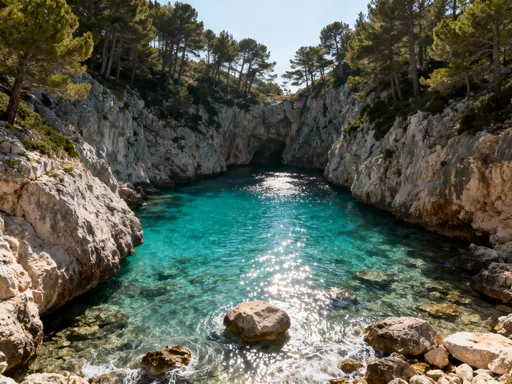
The peninsula is home to dozens of hidden coves, each more secluded than the last. Sakarun Beach, often called the “Caribbean of Croatia,” is one of the most famous—a crescent of fine white sand with water so clear it looks like glass. Other bays, like Stupice and Mala Pupnitska, are accessible only by foot or bicycle, preserving their pristine condition. These remote spots are perfect for swimming, sunbathing, or simply floating in the calm, warm sea. The lack of crowds is no accident; limited access and a strong emphasis on conservation ensure that Kamenjak remains a sanctuary for both nature and quiet seekers.
Getting to Kamenjak requires a bit of planning, which adds to its allure. The most common way is by car, with parking available at the main entrance near Premantura. From there, visitors can explore by foot, bicycle, or small electric shuttles that operate during peak season. Biking is especially popular—the network of gravel and dirt paths winds through fragrant Mediterranean scrub, offering frequent glimpses of the sea. The ride is moderate in difficulty, suitable for older children and adults with basic fitness, and bike rentals are available nearby.
Kamenjak’s ecosystem is remarkably diverse. Over 700 plant species thrive here, including rare orchids and aromatic herbs like sage and rosemary. The waters are rich in marine life, making it a favorite spot for snorkelers and divers. Conservation efforts are taken seriously—visitors are asked to stay on marked trails, avoid picking plants, and carry out all waste. There are no restaurants or shops within the park, reinforcing the need to come prepared. This commitment to preservation is what keeps Kamenjak wild and beautiful, a model of how tourism and nature can coexist.
Lim Bay: A Fjord-Like Wonder Shaped by Nature
Though often mistaken for a fjord, Lim Bay is actually a ria—a submerged river valley flooded by the sea millions of years ago. This dramatic inlet cuts deep into the Istrian coast, flanked by steep, forested cliffs that rise sharply from the water. The effect is breathtaking: a narrow, winding channel of shimmering blue, surrounded by lush greenery and dotted with small family-run oyster farms. The bay’s unique microclimate, sheltered from strong winds, supports both rich marine life and a tradition of aquaculture that dates back centuries.
One of the most rewarding ways to experience Lim Bay is by boat. Guided tours depart from nearby villages like Rovinj or Bale, offering a leisurely journey along the bay’s length. As the boat glides through the calm waters, guides share stories of the area’s geology, wildlife, and oyster farming practices. Some tours include a stop at a floating platform where visitors can sample freshly harvested oysters, paired with a glass of local Malvasia wine. The briny, delicate flavor of Lim Bay oysters is renowned across Croatia, a testament to the bay’s clean waters and ideal salinity.
Kayaking is another excellent option for those who prefer a more active exploration. Paddling through the quiet inlet allows for a deeper connection with the surroundings—birds call from the trees, fish dart beneath the surface, and the only sound is the gentle splash of the paddle. Kayak tours are available for all skill levels, and safety equipment is always provided. For those who prefer to stay on land, scenic viewpoints along the bay’s rim offer stunning photo opportunities, especially at sunrise or sunset when the light paints the cliffs in warm gold and rose tones.
The surrounding area is also rich in agricultural traditions. Olive groves and vineyards cling to the slopes, producing high-quality olive oil and wine. Some local farms offer tastings and tours, giving visitors a taste of Istrian hospitality. The combination of natural beauty, culinary heritage, and peaceful atmosphere makes Lim Bay a destination that engages all the senses. It’s not just a place to see—it’s a place to savor, slowly and mindfully.
Pine Forest Trails of Zlatni Rt: Hiking Meets the Sea
Zlatni Rt, or Golden Cape, is Pula’s beloved forest park—a sprawling peninsula covered in dense Aleppo pine forest that slopes gently down to the sea. This natural oasis is a favorite among locals, especially families and outdoor enthusiasts who appreciate its well-maintained trails, clean beaches, and year-round accessibility. Unlike many tourist-heavy areas, Zlatni Rt maintains a peaceful, community-oriented atmosphere, where children play freely and dogs roam off-leash in designated zones. It’s a place where nature feels lived-in and cherished, not just admired from a distance.
The trail system at Zlatni Rt is extensive, with paths ranging from easy coastal walks to more challenging loops through the interior. The most popular route follows the shoreline, offering uninterrupted views of the Adriatic. Shaded by tall pines, the path remains cool even on hot summer days, making it ideal for walking, jogging, or cycling. Benches are placed at scenic overlooks, inviting pauses to breathe in the sea air and listen to the rustle of leaves. For families, there are playgrounds and grassy areas perfect for picnics, while swimmers can choose from several small, well-kept beaches with shallow entry points.
One of the lesser-known benefits of Zlatni Rt is its role as a natural climate regulator. The dense forest acts as a buffer against the summer heat, creating a noticeably cooler microclimate in and around Pula. This makes the park not just a recreational space, but an essential part of the city’s environmental health. Local schools often organize nature walks here, teaching children about native plants, bird species, and the importance of forest conservation. These educational efforts help foster a culture of respect for nature that extends beyond the park’s boundaries.
Visitors are encouraged to follow simple eco-practices: staying on marked trails, avoiding littering, and respecting wildlife. There are trash bins and recycling stations throughout the park, and food is available at a few modest kiosks. The absence of large commercial developments preserves the park’s natural character, allowing visitors to experience a rare blend of accessibility and wilderness. Whether you come for a morning hike, an afternoon swim, or a quiet moment under the trees, Zlatni Rt offers a grounding, rejuvenating experience that resonates long after you leave.
Islands Near Pula: Day Trips to Secluded Sanctuaries
Scattered along the coast near Pula are several small, uninhabited islands that remain among Croatia’s best-kept secrets. Vrgada, Galijula, and the Brijuni archipelago offer a sense of discovery and solitude that’s increasingly rare in the Mediterranean. These islands have no roads, no hotels, and no permanent residents—just pine-covered hills, rocky coves, and water so clear you can see the seabed from the surface. They are sanctuaries for those seeking peace, a swim in untouched waters, or a quiet lunch on a deserted shore.
Access to these islands is typically by private boat or guided tour, which helps preserve their tranquility. The Brijuni Islands, a national park since 1949, are the most accessible, with regular ferry service from Fazana, just south of Pula. Once a retreat for Yugoslav leaders, Brijuni is now open to the public and features well-maintained walking paths, a safari park with exotic animals, and archaeological sites. While slightly more developed than the others, it still maintains a peaceful, park-like atmosphere with strict conservation rules.
Vrgada and Galijula, by contrast, are much quieter. Reached only by private boat or small charter, they offer true seclusion. Visitors must bring their own supplies—water, food, and sun protection—as there are no facilities. The reward is absolute privacy and the chance to swim, snorkel, or simply float in complete silence. These islands are particularly popular with families looking for a safe, natural playground away from crowds. The shallow waters around Galijula, for example, are perfect for children to explore with a mask and snorkel.
Because of their fragile ecosystems, responsible behavior is essential. Visitors are asked to avoid disturbing birds or plants, not to light fires, and to take all waste with them. These simple actions ensure that these islands remain pristine for future generations. For women traveling with children or friends, a day trip to one of these islands offers not just adventure, but a chance to reconnect—with nature, with each other, and with a slower, more intentional way of being.
Sustainable Travel Tips: How to Explore Pula’s Nature Responsibly
As Pula’s natural attractions gain popularity, the need for responsible travel has never been greater. The beauty of places like Kamenjak, Lim Bay, and the offshore islands depends on careful stewardship. Fortunately, small, mindful choices can make a big difference. One of the simplest and most effective practices is to travel waste-free. Bring a reusable water bottle, pack snacks in cloth bags, and carry a small trash bag to collect any litter—even if it’s not yours. Many local initiatives organize beach cleanups, and joining one is a meaningful way to give back.
Respecting protected areas is equally important. Always stay on marked trails, especially in nature parks where fragile plants and nesting birds are easily disturbed. Follow posted signs about restricted zones, and never remove stones, shells, or plants as souvenirs. In Kamenjak and Brijuni, entry fees help fund conservation efforts, so paying them is an investment in preservation. When visiting by boat, anchor in designated areas to avoid damaging seagrass beds, which are vital to marine life.
Supporting local eco-initiatives is another powerful way to travel responsibly. Choose tour operators that prioritize sustainability, such as those using electric boats or offering educational programs about marine conservation. Dine at family-run konobas (taverns) that source ingredients locally, reducing the carbon footprint of your meals. Many Istrian producers are small-scale farmers who use traditional, low-impact methods—supporting them helps sustain both the environment and the local economy.
Finally, consider low-impact transportation. While renting a car offers flexibility, using public buses, bicycles, or walking whenever possible reduces emissions and noise pollution. In Zlatni Rt and Verudela, bike paths make car-free exploration easy and enjoyable. By choosing greener options, travelers not only reduce their environmental impact but also experience Pula more intimately—slowing down, noticing details, and forming deeper connections with the places they visit. Sustainable travel isn’t about sacrifice; it’s about enriching the journey.
Pula’s True Magic Lies in Its Wild Heart
Pula’s charm isn’t only in its Roman past—it’s in the whisper of pines by the sea, the quiet coves, and the untouched shores waiting just off the beaten path. By exploring its natural wonders responsibly, travelers discover a Croatia few ever see. This is not just a vacation—it’s a connection with nature worth protecting. For women who seek meaningful, restorative experiences, Pula offers a rare blend of beauty, tranquility, and authenticity. Its hidden landscapes invite reflection, renewal, and a deeper appreciation for the natural world. As more travelers choose to step beyond the arena and into the wild, Pula’s true magic is revealed—not in stone, but in the living, breathing heart of the Adriatic coast. Let this be your invitation to explore, respect, and cherish one of Europe’s most underrated natural treasures.