You Won’t Believe What I Found in Monteverde’s Hidden Markets
Nestled in the misty highlands of Costa Rica, Monteverde isn’t just about cloud forests and hanging bridges—its local shopping scene is a treasure hunt waiting to happen. I went in looking for souvenirs and left with handcrafted magic, coffee that tastes like heaven, and stories I couldn’t wait to share. This isn’t your average tourist trap; it’s a real, raw, and beautifully authentic experience. Let me take you where the maps don’t. The air is cool, the people are warm, and every wooden carving, every jar of honey, tells a quiet story of resilience, creativity, and deep connection to the land. In a world where travel often feels repetitive, Monteverde’s markets offer something rare: intimacy, integrity, and inspiration.
The Heartbeat of Monteverde: Where Shopping Meets Culture
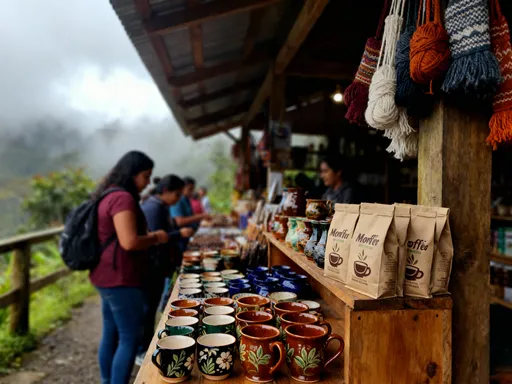
In Monteverde, shopping is not a transaction—it’s a conversation. Every stall, every wooden doorway leading into a family-run shop, pulses with the rhythm of a community rooted in sustainability, tradition, and pride. Unlike the generic trinkets sold in resort towns, the items here are born from necessity, creativity, and a profound respect for nature. This region, long inhabited by descendants of Quaker settlers and interwoven with indigenous knowledge, has cultivated a marketplace culture that values authenticity over mass appeal. The goods on display—handwoven baskets, beeswax candles, ceramic tree frogs—are not designed for Instagram virality; they are expressions of identity, passed down through generations and shaped by the cloud forest’s quiet wisdom.
What makes Monteverde’s shopping experience truly unique is its deep cultural integration. Local artisans don’t separate their craft from their daily lives. A woman selling herbal salves may also be a community health advocate. A woodcarver might double as a forest guide, teaching visitors about the very trees he uses for his art. This convergence of livelihood, ecology, and heritage transforms every purchase into a small act of cultural preservation. When you buy a hand-stitched tote made from recycled fabric, you’re not just acquiring a bag—you’re supporting a mother who weaves at night after her children are asleep, using materials salvaged from discarded clothing.
The influence of eco-conscious values is evident everywhere. Many vendors proudly display signs indicating their products are organic, biodegradable, or made using solar energy. The commitment to sustainability isn’t performative; it’s practical. With the cloud forest serving as both a natural treasure and an economic lifeline, the community understands that protecting the environment means protecting their future. This awareness is reflected in the minimal packaging, the use of natural dyes, and the emphasis on durability over disposability. In Monteverde, shopping becomes a form of stewardship—an invitation to participate in a culture that honors balance, mindfulness, and responsibility.
Stepping Off the Beaten Path: Discovering Hidden Artisan Corners
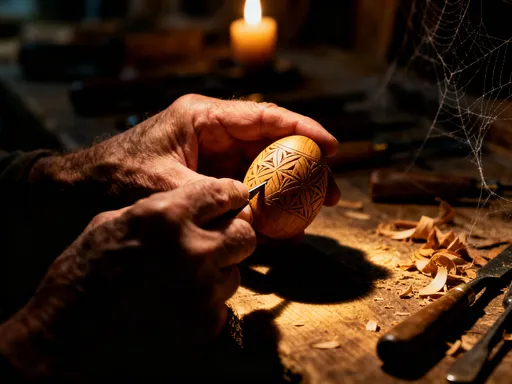
While most tourists gravitate toward the main road lined with brightly colored souvenir shops, the true magic lies just beyond the footpaths, in tucked-away workshops and open-air stalls known more to locals than to guidebooks. One such gem is a small wooden kiosk behind the community garden, where a retired biology teacher now carves intricate animal figures from fallen laurel wood. His pieces—delicate hummingbirds, coiled snakes, sloths curled in sleep—are not for sale online, nor are they mass-produced. Each is signed, dated, and sold with a short note about the species it represents and its role in the forest ecosystem.
Another hidden corner is a family-run soapery nestled in a quiet residential lane, where three sisters produce organic soaps using rainwater, medicinal herbs, and cold-pressed oils from their backyard garden. Their workshop doubles as a mini-educational center, with illustrated boards explaining the benefits of aloe vera, lemongrass, and wild mint. Visitors are invited to smell, touch, and even help mix batches during seasonal workshops. The soaps, wrapped in handmade plant-based paper, are priced fairly—not cheap, but honest. There’s no pressure to buy, only warmth and a quiet invitation to learn.
These off-grid artisans often charge less than their counterparts on the main strip, not because of lower quality, but because they avoid tourist markups. Their pricing reflects time, materials, and living wages—not profit maximization. Interactions here feel personal. Vendors remember names, ask about your journey, and offer recommendations that have nothing to do with sales. One potter, for instance, directed me to a nearby trail where wild orchids bloom in early spring—information far more valuable than any souvenir. These moments of genuine connection are what distinguish Monteverde’s hidden markets from commercialized shopping zones elsewhere.
From Farm to Gift: The Rise of Local, Sustainable Products
Monteverde’s shopping culture is deeply tied to its agricultural roots. Here, the farm-to-table ethos extends beyond restaurants and into the marketplace, where visitors can buy directly from the people who grow, harvest, and process their goods. Coffee is perhaps the most celebrated example. Smallholder farmers roast their own beans in modest backyard facilities, producing small-batch brews with flavor profiles shaped by altitude, soil, and microclimate. Tasting sessions are common, and many farms welcome visitors for tours that explain sustainable growing practices, shade cultivation, and the importance of protecting migratory bird habitats.
Equally impressive is the local chocolate movement. Several cooperatives now produce bean-to-bar chocolate using cacao grown in nearby lowland farms. The process—from fermenting and drying the beans to hand-wrapping each bar—is done with meticulous care. Some brands even incorporate native ingredients like allspice or wild honey, creating flavors that cannot be replicated elsewhere. Purchasing a bar isn’t just a treat; it’s a vote for ethical farming, fair wages, and rainforest conservation. Many chocolate makers reinvest a portion of their profits into reforestation projects or school programs for rural children.
Herbal remedies also thrive in this farm-to-gift economy. Elderly healers and younger herbalists alike sell tinctures, teas, and salves made from plants foraged or cultivated in the region. Eucalyptus for congestion, passionflower for sleep, and chaparral for skin health are just a few of the remedies available. These products are not marketed as miracle cures but as traditional supports for wellness, often accompanied by gentle advice on usage. Buying them supports not only individual artisans but also the preservation of botanical knowledge that might otherwise fade with time. In Monteverde, every jar of honey or bundle of dried herbs is a thread in a larger tapestry of ecological and cultural resilience.
Navigating the Main Strip: What’s Worth Your Time (and What’s Not)
The main shopping corridor in Monteverde, while convenient, requires discernment. Rows of colorful storefronts beckon with promises of “authentic crafts,” but a closer look reveals a mix of genuine local work and imported goods repackaged as handmade. To spot the difference, look for signs of wear—calloused hands shaping clay, sawdust on the floor, tools within reach. Genuine artisans often work on-site, allowing visitors to witness the creation process. If everything is pre-made and shipped from elsewhere, the energy feels static. When craftsmanship is alive, the space hums with quiet purpose.
Among the more reputable spots is a small cooperative gallery that rotates displays from different local artists each month. Here, prices are clearly labeled, and staff provide background on each creator—their training, inspiration, and community role. Another standout is a family-owned shop specializing in wool accessories knitted from sheep raised on their farm. The yarn is dyed with natural pigments from marigolds, avocado pits, and tree bark, resulting in subtle, earth-toned hues. Unlike synthetic imitations sold elsewhere, these pieces are warm, durable, and carry the faint scent of lanolin—a quiet testament to their authenticity.
On the other hand, shops with excessive plastic packaging, neon signs, or identical items found in airport gift shops are best avoided. These often rely on low-cost imports from Asia or Central American factories, undermining the very values Monteverde strives to uphold. Bargaining is generally not expected and can even be seen as disrespectful, as prices are already fair and reflective of labor costs. Cash is widely accepted, though many vendors now use mobile payment systems. Always ask before taking photos, and remember that a smile and a simple “gracias” go a long way in building goodwill. The goal isn’t to get the cheapest deal but to honor the work behind each item.
Beyond Souvenirs: Unique Finds That Tell a Story
Some of the most memorable purchases in Monteverde aren’t the ones you plan for—they’re the discoveries that find you. A journal bound in recycled coffee sack fabric. A ceramic wind chime shaped like a toucan’s beak. A set of wooden nesting birds, each smaller than the last, carved from a single piece of guanacaste wood. These items transcend decoration; they carry intention. The woman who makes the journals, for instance, collects used sacks from local roasteries, cuts them open, and lines them with handmade paper infused with wildflower seeds. When the journal is finished, the cover can be planted to grow poppies or cosmos—a full-circle tribute to sustainability.
Another standout is a series of tree frog sculptures made from reclaimed metal and glass. Created by a former mechanic turned environmental artist, each piece is soldered by hand and painted with non-toxic enamel. The frogs come in endangered species colors—red-eyed, golden, blue-jeaned—and are sold with educational cards explaining their ecological significance. A portion of every sale supports amphibian conservation research in the region. Owning one feels less like collecting and more like participating in a mission.
Even clothing and accessories here tell deeper stories. A shawl knitted from alpaca wool might have been made by a cooperative of women who meet weekly to share meals and stories while they work. A belt crafted from upcycled seatbelts salvaged from old buses speaks to the region’s ingenuity in repurposing materials. These aren’t impulse buys; they’re heirlooms in the making. They prompt questions when displayed at home: “Where did you get this?” becomes “Tell me about the person who made it.” That shift—from object to narrative—is the essence of meaningful travel.
Timing, Tools, and Tactics: Making the Most of Your Shopping Adventure
To fully appreciate Monteverde’s markets, timing and preparation matter. Weekdays, especially Tuesday through Thursday, are ideal for a relaxed experience. Weekends draw larger crowds, particularly during peak season (December to April), when tour buses arrive in droves. Early mornings offer the best light for photography and the freshest selection of baked goods and floral arrangements. By mid-afternoon, some smaller stalls begin to close, so starting early ensures access to the full range of offerings.
Bring a reusable tote bag—many vendors do not provide plastic, and you’ll likely accumulate more than expected. A small notebook is also helpful for jotting down stories, care instructions, or the names of artisans you’d like to remember. If you plan to buy fragile items like ceramics or glasswork, inquire about shipping options. Several shops partner with local couriers who specialize in safely packaging and sending delicate goods internationally. This allows you to travel light while still bringing home treasures.
Language is rarely a barrier. While Spanish is the primary language, most vendors in tourist-facing roles speak functional English and appreciate simple, respectful communication. Learning a few basic phrases—“¿Cuánto cuesta?” (How much does it cost?), “Es muy bonito” (It’s very beautiful)—can deepen interactions. Always ask permission before handling delicate pieces, and take your time. Rushing sends the message that you see the items as commodities, not creations. Wear comfortable shoes, as many shops are connected by uneven stone paths or grassy trails. Lastly, carry small bills; while digital payments are growing, cash remains essential for smaller vendors and street-side stalls.
Why This Experience Changes How You Travel
Shopping in Monteverde doesn’t just fill your suitcase—it fills your perspective. It shifts the focus from accumulation to appreciation, from consumption to connection. In a world saturated with fast fashion and disposable goods, this experience reminds us that value isn’t measured in price tags but in stories, sustainability, and human dignity. Each item purchased becomes a quiet ambassador, carrying the spirit of the cloud forest and the hands that shaped it.
More than that, it redefines what it means to be a traveler. Instead of passing through, you become part of a living ecosystem—economic, cultural, ecological. Your choices ripple outward, supporting families, protecting forests, and preserving traditions. You begin to see souvenirs not as clutter, but as conduits of memory and meaning. And when you return home, the real journey continues: every time you sip that coffee, wear that scarf, or place that ceramic frog on your shelf, you’re reminded of a place where commerce and conscience coexist.
So the next time you travel, slow down. Seek out the markets that don’t advertise. Listen to the makers, not just the sellers. Ask, “Who made this?” and “Why does it matter?” Let Monteverde’s example guide you—not as a checklist destination, but as a philosophy. Travel with intention. Buy with heart. And let the quiet magic of handmade moments transform not just your trip, but your understanding of what it means to truly connect.