I Thought I Knew Czech Food — Then Prague Humbled Me
You know that feeling when you think you’ve got a place figured out, only to be totally schooled by its cuisine? That was me in Prague. I arrived expecting hearty stews and cheap beer, but left realizing I’d barely scratched the surface of Czech food culture. From tourist traps serving sad dumplings to hidden pubs pouring golden lagers with centuries of tradition, my journey was full of delicious surprises — and a few embarrassing mistakes. This is what no one tells you about eating in Prague.
First Bites, First Blunders
My first evening in Prague began with optimism and a map marked with red stars — classic tourist energy. I wandered through the golden glow of Old Town Square, lured by the scent of grilled meat and the promise of authentic Czech goulash. The restaurant had wooden beams, checkered tablecloths, and a menu written in English with pictures. What could go wrong? The goulash arrived in a heavy ceramic bowl, the dumplings pale and doughy, the sauce bland and greasy. It tasted like something reheated from a frozen pack. I had fallen into the most common trap: mistaking proximity to landmarks for authenticity.
It didn’t take long to realize that many restaurants within a ten-minute walk of major attractions cater almost exclusively to visitors. Their menus are designed for familiarity, not flavor, serving up watered-down versions of Czech classics. Prices were double what I later found in residential neighborhoods, and the food lacked the soul that defines true home cooking. The red flags were subtle at first — plastic menus laminated with wear, staff who spoke better English than Czech, and no locals in sight. But once I started noticing these details, the pattern became impossible to ignore.
Location, I learned, is everything. Just a few streets away from the tourist epicenter, the dining landscape changed dramatically. In Vinohrady, near the quiet crossroads of Národní Třída and Jiřího z Poděbrad, I found small family-run eateries where the air buzzed with Czech chatter and the chalkboard menus listed daily specials in elegant cursive. These were places where grandmothers came in for lunch, where men in work boots lingered over pints after their shifts, where the rhythm of the meal followed the pace of life, not the urgency of a sightseeing checklist.
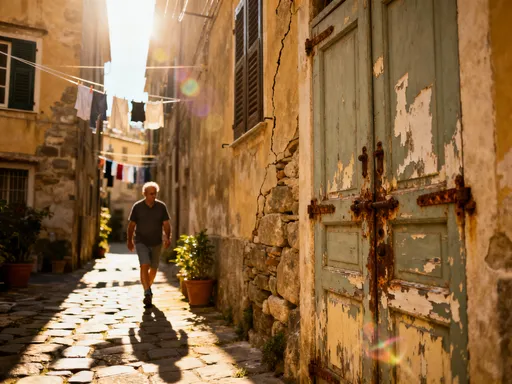
My biggest lesson? Authenticity rarely announces itself with neon signs. It hides in plain sight — behind unmarked doors, down cobblestone alleys, in spaces too modest for Instagram backdrops. The best meals I had in Prague were never the ones I planned. They were the ones I stumbled upon because I got lost, stayed late, or simply dared to walk past the crowded terraces and follow my nose.
Decoding the Czech Palate: Beyond the Heavy Stereotypes
Before Prague, my mental image of Czech food was dominated by stereotypes: mountains of pork, rivers of beer, and dumplings so dense they could double as doorstops. While there’s truth in those tropes, they only tell half the story. What I discovered over weeks of eating my way through the city was a cuisine far more nuanced than its reputation suggests — one shaped by history, geography, and a deep respect for seasonal ingredients.
Czech food is often labeled as heavy, but that doesn’t mean it lacks balance. Take the role of sour cream, for instance — it’s not just a garnish, but a crucial counterpoint to rich meats and starchy sides. A spoonful of cool, tangy smetana cuts through the heaviness of svíčková, the marinated beef in creamy vegetable sauce, turning what could be a gut-bomb into a harmonious dish. Similarly, fermented flavors — from sauerkraut in vepřo-knedlo-zelo to pickled vegetables served alongside sausages — add brightness and aid digestion, making even the most substantial meals feel approachable.
Regional differences further complicate the picture. In Bohemia, where Prague is located, the cooking tends to be more refined, with subtle seasoning and an emphasis on sauces and slow braising. Moravian cuisine, from the eastern part of the country, carries a spicier edge, influenced by Hungarian and Slovak flavors. Dishes like moravský vrabec (“Moravian sparrow” — actually a clever name for marinated pork) or wines infused with garlic and paprika reveal a bolder palate that surprises those who assume Czech food is uniformly mild.
Historical influences also play a major role. Centuries under the Austro-Hungarian Empire left a legacy of delicate pastries, coffeehouse culture, and refined meat preparations. German proximity brought sausages, beer traditions, and baking techniques. Slavic roots contribute to the love of dumplings, fermented foods, and preserved vegetables. The result is a culinary identity that’s both hearty and layered — not simplistic, as many assume, but resilient and resourceful, born from a history of scarcity and seasonal cycles.
The Beer Culture Trap: Quantity vs. Quality
No discussion of Czech food is complete without beer — and Prague’s reputation as the beer capital of the world is well earned. The country consistently ranks as the highest per capita consumer of beer globally, and walking through the city, you’ll pass pubs on nearly every corner, each pouring golden lagers with names like Pilsner Urquell, Budweiser Budvar, and Kozel. But here’s the truth no one warns you about: just because a beer is Czech doesn’t mean it’s good. And just because a pub is full doesn’t mean it’s local.
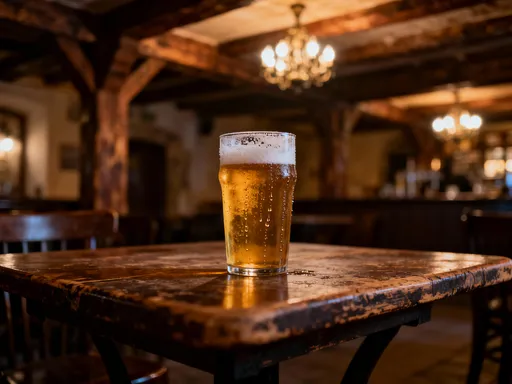
During my first few days, I assumed that any traditional-looking pub with dark wood interiors and steins on tap would serve exceptional beer. I was wrong. Many of these places, especially near Wenceslas Square and the riverfront, serve mass-produced lagers that are perfectly drinkable but lack the character of house-brewed varieties. The difference is stark once you’ve tasted both. Industrial lagers are consistent, clean, and mildly bitter — pleasant, but forgettable. House-brewed beers, on the other hand, often come from small regional breweries or pub-owned microbreweries, offering richer malt profiles, nuanced hops, and a creamier head that clings to the glass.
Learning to order properly made all the difference. I quickly picked up that asking for čepované — draft beer — was essential, and specifying the type of pour mattered. A na čepu refers to beer on tap, but the real magic happens when you let the bartender pour a mixed glass — part light, part dark — creating a blend that balances sweetness and roast. Some of the best beer experiences I had were in unassuming neighborhood pubs where the taps rotated weekly and the regulars debated the merits of this year’s barley harvest.
One evening in Žižkov, I followed a local into a dimly lit pivnice with no English menu and a jukebox playing 1980s Czech pop. I pointed at what the man next to me was drinking — a deep amber lager with a thick foam cap — and received a nod of approval when I ordered the same. That beer, whose name I never learned, remains one of the best I’ve ever tasted. It taught me that in Prague, beer isn’t just a drink; it’s a social ritual, a marker of belonging, and a language of its own.
Hidden Kitchens: Where Locals Actually Eat
If there’s one thing Prague taught me, it’s that great food rarely resides at ground zero of tourism. The real culinary heartbeat of the city pulses in its residential districts, where lunchtime lines form outside no-frills canteens and dinner means a two-hour affair at a family-owned hospoda. Once I stopped chasing landmarks and started following public transit routes, my dining experiences transformed.
The tram became my greatest ally. Lines 6, 9, and 22 led me to neighborhoods where menus were written only in Czech, where waiters didn’t expect tourists, and where the food arrived hot, generous, and full of character. In Vinohrady, I discovered a tiny corner restaurant where the daily večeře menu — handwritten on a chalkboard — offered options like rabbit stew with cranberries or duck with roasted plums. There were no photos, no English translations, just a patient server who gestured toward the kitchen when I hesitated. That meal, eaten slowly with a glass of Moravian wine, felt like an invitation into someone’s home.
Žižkov, often described as Prague’s bohemian underbelly, surprised me with its authenticity. Far from the polished facades of the Old Town, it’s a district of graffiti-covered buildings, independent breweries, and hole-in-the-wall eateries where punk kids and pensioners share tables. I found a pub there that served utopenci — pickled sausages marinated in vinegar, garlic, and chili — alongside thick slices of rye bread and cold beer. It wasn’t fancy, but it was alive with flavor and local spirit.
Holešovice, once an industrial zone, has evolved into a food lover’s haven, especially around the Výtoň and Strossmayerovo náměstí areas. Weekend farmers’ markets offer fresh cheeses, smoked meats, and handmade pastries, while converted factory spaces host pop-up restaurants and craft beer festivals. One Saturday morning, I joined a line at a stall selling chlebíčky — open-faced sandwiches topped with egg, ham, and herbs — only to learn they sell out by 10 a.m. on busy days. That kind of demand isn’t manufactured for tourists; it’s earned through consistency and quality.
What these neighborhoods share is a rhythm untouched by the rush of sightseeing. Meals begin later, last longer, and are treated as events, not refueling stops. The absence of English menus isn’t a barrier — it’s a filter. And the more I embraced that, the more Prague revealed itself not as a postcard, but as a living, breathing city with a deep culinary soul.
The Sweet Misunderstanding: Czech Desserts No One Talks About
Let’s address the elephant in the room: trdelník. You’ve seen it — the sugary, cinnamon-coiled pastry grilled over open flames, sold at every tourist hotspot. While undeniably delicious in a carnival-snack kind of way, it’s not really Czech. Originating in Slovakia, it only became widespread in Prague in the 1990s as a souvenir treat. For years, I thought it was a national dessert. I was wrong — and once I moved beyond it, I discovered a world of Czech sweets that are far more representative, and far more satisfying.
Real Czech desserts are humble, fruit-forward, and often tied to seasonal harvests. Ovocné knedlíky, for example, are steamed dumplings filled with plums, strawberries, or blueberries, served with melted butter, sugar, and a dollop of quark or vanilla sauce. They’re comforting, not cloying, and taste best when the fruit is fresh. I had my first truly memorable version at a weekend market in Holešovice, where an elderly woman rolled the dough by hand and let customers choose their filling. The warmth of the dumpling, the burst of juicy plum, the scent of vanilla — it was dessert as memory, not spectacle.
Then there’s medovník, a spiced honey cake layered with creamy filling, often dusted with powdered sugar. Dense and aromatic, it’s a holiday staple but available year-round in traditional bakeries. Unlike American layer cakes, it’s not overly sweet — the honey and warm spices like cinnamon and cloves give it depth without overwhelming the palate. I found an old-school pastry shop in Karlin that baked it fresh every Friday, the scent drawing people in from half a block away.
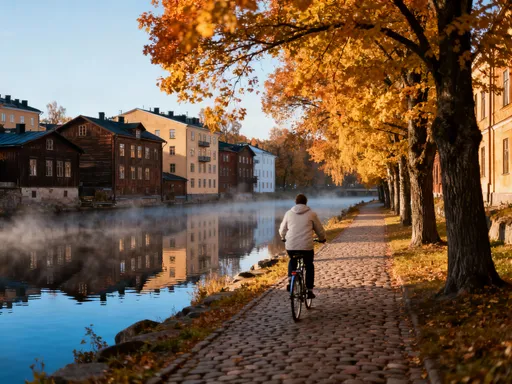
Koláče, another beloved treat, are round, jam-filled pastries with a soft yeast dough base. Toppings vary — plum, poppy seed, cottage cheese, even sweetened liver in savory versions — and they’re often homemade for family gatherings. In smaller towns outside Prague, bakeries still produce them in wood-fired ovens, and farmers’ markets overflow with them on weekends. Eating one on a park bench in Letná, with the Vltava River glinting below, felt like tasting the quiet heart of Czech domestic life.
These desserts aren’t flashy. They don’t come with dry ice or gold leaf. But they speak to a tradition of simplicity, seasonality, and care — values that define much of Czech cuisine. And finding them requires stepping away from the spectacle, seeking out the bakeries where grandmothers queue at dawn, and understanding that sweetness here is not about excess, but about balance.
Dining Etiquette Faux Pas (And What I Learned)
No matter how much research you do, there’s no substitute for experience — especially when it comes to dining etiquette. My early meals in Prague were marked by awkward moments: staring at a mountain of food I couldn’t finish, fumbling with cash at a cash-only counter, or accidentally leaving too much tip. But each mistake taught me something valuable about how Czechs approach food and hospitality.
Portion sizes were my first shock. A single plate of svíčková came with three kinds of dumplings, a generous slab of meat, and enough sauce to drown a small bird. I quickly learned that sharing is not just practical — it’s wise. Many locals order one main course to split, especially at lunch, followed by a light dessert or nothing at all. The idea of multiple courses, as in fine dining, is less common. Instead, the main dish is the event — substantial, satisfying, and meant to sustain.
Tipping was another puzzle. In Prague, tips are modest — usually 10 percent, sometimes less if the service was slow. Unlike in the U.S., servers don’t live on tips, so over-tipping can actually cause confusion. I once left 20 percent at a small pub and received a concerned look, as if I’d made a mistake. Now I watch what locals do: they round up the bill slightly, leave a few extra crowns, and rarely make a show of it. The gesture is polite, not performative.
Another cultural norm I had to adjust to was the pace of dining. Rushing through a meal is practically unheard of. Czechs linger, talk, refill their glasses, and treat dinner as a social occasion. In tourist-heavy areas, you might see servers clearing plates quickly, but in local spots, they’ll wait patiently, even if you’re silent for minutes. Interrupting a conversation to check your phone? Rude. Asking for the check immediately after eating? Ruder. The meal isn’t over until you signal it is — and even then, it’s best to do so gently, with a quiet “můžeme platit?” (“can we pay?”).
Finally, the cash-only reality of many authentic places required planning. I learned to carry enough Czech koruna and to check for ATMs before heading out. Some of the best restaurants don’t have websites, let alone card machines. But once I embraced this, I found freedom in it — a reminder that not everything needs to be digitized, and that sometimes the best experiences exist just beyond the reach of apps and reviews.
Rebuilding My Prague Food Map: Lessons for Future Travelers
By the end of my trip, I had completely rebuilt my understanding of where and how to eat in Prague. The guidebook checklists — the top 10 restaurants, the must-try dishes — still have value, but they’re just a starting point. Real discovery happens when you step off the map, trust your instincts, and let the city guide you.
One of the most useful tools I adopted was paying attention to Czech-language menus. If a place only offers English, it’s likely catering to tourists. But if the menu is entirely in Czech, with perhaps a small translation sheet tucked underneath, you’re probably in the right place. I also started asking bartenders for recommendations — not waiters, who often recite scripted suggestions, but the men and women behind the bar who see regulars every day. A simple “kde byste šel na večeři?” (“where would you go for dinner?”) opened doors I wouldn’t have found otherwise.
Timing mattered too. Visiting mid-week, especially on Tuesdays and Wednesdays, meant avoiding weekend crowds and catching daily specials that didn’t make it onto online listings. Lunchtime, particularly between 12:30 and 1:30 p.m., was prime for denní menu — fixed-price meals that offered incredible value and a taste of home cooking. I began planning my sightseeing around meal times, treating lunch not as a break, but as a destination.
My most memorable meal was in a lokál in Libeň, a neighborhood few tourists visit. The door was unmarked, the lighting dim, and no one spoke English. I pointed at what the man in the corner was eating — a stew with dark dumplings — and received a nod. The food arrived slowly, the beer was poured perfectly, and the silence was companionable, not awkward. I didn’t need words. The meal spoke for itself — rich, honest, and deeply rooted in place.
That experience crystallized what Prague had been teaching me all along: that true culinary connection comes not from checking boxes, but from surrendering to the unknown. It’s in the missteps, the language barriers, the dishes you can’t pronounce, that you begin to understand a culture. Food here isn’t a performance. It’s a daily act of care, tradition, and quiet pride.
Eating in Prague taught me more than flavor — it taught humility. The city doesn’t hand out culinary rewards easily, especially to those who stay on the beaten path. But for travelers willing to wander, question, and occasionally order the wrong thing, Czech food reveals itself as deeply comforting, quietly complex, and full of soul. Skip the shortcuts. Embrace the missteps. Because real taste isn’t found in highlights — it’s discovered in the detours.