You Won’t Believe Where I Found Helsinki’s Coolest Shopping Spots
Helsinki blends nature and urban charm in a way I never expected. While exploring its coastal trails and pine-fringed parks, I stumbled upon something surprising—boutique markets tucked between forests, design shops overlooking the Baltic Sea, and local crafts inspired by the seasons. Shopping here isn’t just about buying things—it’s part of the landscape. Let me take you through the journey where every purchase feels like a connection to Finland’s wild soul.
The Natural Pulse of Helsinki
Helsinki is a city shaped by water, forest, and light. Built across a cluster of islands, its urban fabric flows seamlessly into the surrounding archipelago, where pine trees lean toward the sea and rocky shores echo with the lap of waves. The city’s rhythm is deeply tied to the natural world—long, golden summers give way to crisp autumns filled with russet leaves and the scent of damp earth, while winters cloak everything in soft snow and quiet stillness. This ever-changing environment isn’t just a backdrop; it’s a living presence that shapes how people live, work, and create.
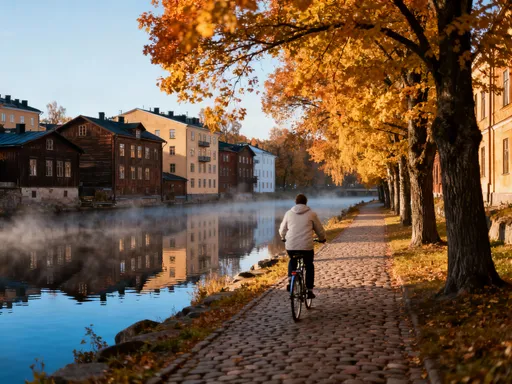
Walking through Helsinki’s streets, you feel the pulse of nature in subtle ways. In the morning, sunlight filters through birch trees lining the boulevards, casting delicate shadows on cobblestone paths. The air carries a clean, briny freshness from the Baltic, especially near the waterfront, where seagulls cry and ferries glide toward Suomenlinna. Even in the heart of the city, green spaces are never far—a five-minute walk from the central railway station brings you to Keskuspuisto, a forested park that feels like stepping into the countryside. This deep integration of nature into daily life fosters a unique sensibility, one that values simplicity, stillness, and harmony.
It’s no surprise that this natural rhythm extends into the city’s design culture. Helsinki’s aesthetic is not about grand gestures or flashy displays, but quiet intention. Buildings feature natural materials—wood, stone, and glass—that blend into the environment rather than dominate it. Public spaces invite pause, with benches placed to catch the sun and walkways designed to follow the contours of the land. This reverence for nature doesn’t stop at architecture; it flows into the objects people make and use every day. From hand-thrown ceramics to woolen garments dyed with forest botanicals, the items found in Helsinki’s shops reflect the same values: authenticity, sustainability, and a deep respect for the seasons.
Design as an Extension of Nature
Finnish design is world-renowned, but its true essence lies not in trends or luxury, but in a philosophy rooted in nature and function. The guiding principle is simple: form follows life. Objects are made to be used, cherished, and passed down—not discarded after a season. This mindset has shaped a design culture where beauty emerges from utility, and materials are chosen for their honesty and origin. Wood, wool, linen, and stone are not just preferred—they are celebrated, each carrying the texture and warmth of the Finnish landscape.
Brands like Marimekko and Iittala have brought Finnish design to global attention, but the real magic happens in smaller studios and independent workshops. In a tucked-away atelier in the Punavuori district, a ceramicist shapes mugs from locally sourced clay, their surfaces glazed to mimic the ripples of a lake at dawn. Around the corner, a textile artist weaves scarves using wool from Finnish sheep, dyed with lichen and birch bark to create earthy tones that shift with the light. These creators don’t see themselves as mere artisans—they are interpreters of the natural world, translating its moods and colors into tangible form.
What makes shopping in Helsinki so different is that every object tells a story. A linen napkin isn’t just a household item; it’s woven from flax grown in southern Finland, stitched by hand, and printed with a pattern inspired by summer meadows. A wooden spoon isn’t mass-produced—it’s carved from a single piece of birch by a craftsman who knows the tree’s history. This connection to origin transforms shopping from a transaction into an experience. You’re not just buying something—you’re taking home a piece of a place, a moment, a philosophy. And because these items are made to last, they encourage a slower, more mindful way of living.
Moreover, the emphasis on sustainability is not a marketing gimmick but a cultural norm. Many designers work in small batches, responding to seasonal availability and local demand. Waste is minimized, and materials are reused or returned to the earth. This respect for resources reflects a broader Finnish value: that nature is not something to be exploited, but a partner in life. When you shop in Helsinki, you’re not just supporting local makers—you’re participating in a tradition of care and continuity.
Market Square: Where Sea Meets Street
No visit to Helsinki is complete without a morning at Kauppatori, the city’s iconic Market Square. Nestled along the waterfront, this open-air market has been a hub of commerce and community for over 130 years. As the sun rises over the harbor, vendors unfold their stalls, arranging pyramids of cloudberries, baskets of wild mushrooms, and trays of freshly caught herring. The air fills with the scent of grilled salmon, cinnamon buns, and sea salt—a sensory invitation impossible to resist.
Kauppatori is more than a place to shop; it’s a living snapshot of Finnish life. Fishmongers in rubber boots call out the day’s catch—Arctic char, perch, and Baltic herring—while farmers proudly display jars of golden honey and preserves made from forest berries. Artisans sell hand-poured candles, birchwood carvings, and embroidered textiles, each item bearing the mark of careful craftsmanship. Unlike the sterile efficiency of indoor malls, this market thrives on human connection. You’ll find elderly women bartering for lingonberries, tourists snapping photos of reindeer cheese, and locals stopping to chat with their favorite vendors.
What makes Kauppatori truly special is its setting. With unobstructed views of the sea and the Suomenlinna fortress rising from the islands in the distance, shopping here feels like being part of a larger story. In the summer, yachts bob in the harbor and children chase seagulls across the square. In winter, the same space transforms into a snowy wonderland, where hot cocoa stands replace berry stalls and the scent of mulled wine drifts through the air. The market adapts to the seasons, offering smoked fish in autumn, fresh strawberries in June, and handmade Christmas ornaments in December. This rhythm ensures that every visit feels unique, shaped by the time of year and the mood of the city.
For visitors, Kauppatori offers more than souvenirs—it offers immersion. Buying a jar of cloudberry jam isn’t just a purchase; it’s a taste of Finland’s short, sweet summer. Picking up a hand-knit wool hat connects you to generations of Nordic knitters who braved the cold with warmth and style. And sipping coffee from a local roaster while watching the waves roll in reminds you that in Helsinki, even the simplest moments are infused with beauty.
Hidden Gems in Unexpected Places
While Kauppatori is the heart of Helsinki’s shopping scene, some of the most memorable finds lie off the beaten path. The Design District, a network of streets in the city center, is home to a maze of courtyards, galleries, and concept stores. Tucked behind unassuming doors, you’ll discover studios where designers experiment with natural dyes, upcycled fabrics, and sculptural ceramics. A single building might house a printmaker on the first floor, a jewelry maker on the second, and a pop-up exhibition of forest-inspired textiles on the third. Wandering these spaces feels less like shopping and more like exploring a living museum of contemporary craft.
Even more surprising are the pop-up markets that appear in nature reserves and coastal parks during the warmer months. In Nuuksio National Park, just a short drive from the city, local artisans set up kiosks beneath towering pines, selling moss-green pottery, birch bark baskets, and candles scented with pine resin. These markets are small, often running for just a weekend, and discovery is part of the charm. You might stumble upon a weaver demonstrating traditional techniques, or find a wooden spoon carved with the pattern of reindeer tracks. There’s no pressure to buy—just the pleasure of encountering handmade objects in the very landscapes that inspired them.
Another favorite is the Seurasaari Open-Air Museum, where historic wooden houses dot a forested island. During seasonal fairs, craft vendors gather in the clearing, offering items that feel timeless—woolen mittens, linen aprons, and hand-forged kitchen tools. The setting enhances the experience: you shop not under fluorescent lights, but under a canopy of trees, with birdsong as your soundtrack. These moments blur the line between tourism and tradition, between shopping and storytelling. They remind you that in Finland, creativity doesn’t happen in isolation—it grows from the land, the seasons, and the quiet patience of those who work with their hands.
For the curious traveler, these hidden spots offer a deeper connection to Helsinki’s culture. They’re not listed in every guidebook, and they don’t cater to mass tourism. Instead, they thrive on authenticity and intimacy. Finding a small stall selling juniper-scented soap or a ceramicist who paints each mug with a different northern sky—these are the moments that stay with you long after the trip ends.
Sustainable Shopping with a View
In Helsinki, sustainability isn’t a buzzword—it’s a way of life. This commitment is reflected in the city’s retail spaces, many of which are housed in repurposed industrial buildings, old warehouses, or energy-efficient structures designed with green roofs and solar panels. These shops don’t just sell eco-friendly products; they embody them. Walking into a store in the Kalasatama harbor district, you might find reclaimed wood floors, rainwater-harvesting systems, and shelves lit by natural daylight. The architecture itself tells a story of renewal and responsibility.
The products on offer align with these values. Zero-waste boutiques stock package-free soaps, refillable skincare products, and reusable household items made from bamboo or recycled glass. Clothing stores feature rental services, allowing customers to borrow high-quality Finnish designs for special occasions instead of buying new. Some shops even host repair workshops, teaching visitors how to mend wool sweaters or fix leather bags—practices that extend the life of belongings and reduce waste.
What’s remarkable is how seamlessly ethics and aesthetics coexist. A store specializing in organic cotton garments might be housed in a converted 19th-century customs house, its large windows framing the harbor. A zero-waste café inside a shopping complex serves oat milk lattes in ceramic mugs, with menus printed on seed paper you can plant at home. Even the packaging is thoughtful—paper bags stamped with forest motifs, twine made from hemp, labels printed with soy ink. Every detail reinforces the idea that beauty and responsibility are not opposites, but companions.
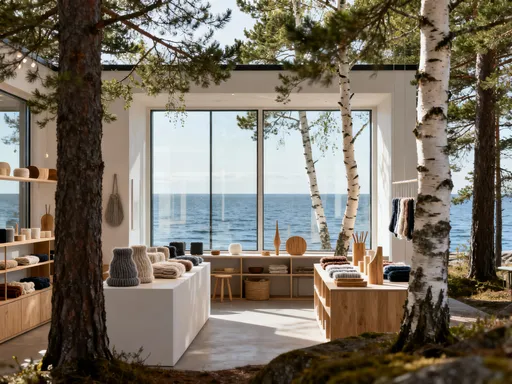
And always, there is a view. Whether you’re browsing linen dresses in a harbor-side boutique or selecting a hand-thrown vase in a glass-walled gallery, the natural world is never far. You might see sailboats cutting through the bay, swans gliding past the dock, or sunlight dancing on the water. This integration of commerce and landscape creates a shopping experience that feels grounded and meaningful. You’re not just acquiring things—you’re participating in a culture that values balance, care, and long-term thinking.
Seasonal Rhythms and Limited Editions
One of the most enchanting aspects of shopping in Helsinki is its connection to the seasons. Unlike cities with year-round uniformity, Helsinki’s offerings shift dramatically with the calendar. What you find in June is vastly different from what’s available in January—and that’s part of the appeal. Finnish designers and makers don’t follow fast fashion cycles; they work in harmony with nature’s pace, creating limited-edition items that reflect the mood and materials of each season.
In late spring and early summer, shops fill with lightweight linen clothing in soft blues and greens—colors that mirror the sea and the new leaves. Handmade soaps are infused with wild mint and meadowsweet, while ceramics feature patterns inspired by blooming flowers and fluttering insects. During the White Nights, when the sun barely sets, outdoor craft fairs spring up in parks and courtyards, offering handmade jewelry, embroidered table linens, and solar-powered lanterns perfect for long, luminous evenings.
As autumn arrives, the palette deepens. Wool becomes the star—cozy cardigans, chunky scarves, and felted slippers dyed with mushrooms and bark to create rich browns, ochres, and deep reds. Stores stock candles in amber glass, their scents evoking woodsmoke and spiced apples. You might find a limited-run mug painted with falling leaves, or a notebook wrapped in bark-print paper. These items aren’t mass-produced; they’re made in small batches, often by hand, and once they’re gone, they’re gone until next year.
Winter brings its own magic. Sauna culture peaks, and shops offer special sets: wool robes, wooden ladles, and essential oil blends for steam. Glassware features frost-like patterns, etched by artisans using traditional techniques. Christmas markets appear in December, selling hand-carved nativity figures, star-shaped lanterns, and gingerbread spiced with cardamom. Even the packaging is seasonal—gifts wrapped in recycled paper printed with snowflakes, tied with red ribbon made from recycled materials.
For visitors, timing a trip around these seasonal shifts can lead to truly unique finds. Arriving in September might mean discovering a scarf dyed with birch sap, while a December visit could yield a hand-blown glass ornament shaped like a snowflake. These limited editions aren’t just products—they’re souvenirs of a moment, a season, a place. They remind us that beauty is fleeting, and that’s what makes it precious.
From Forest to Front Door: Taking Nature Home
As your journey through Helsinki’s shopping landscape comes to a close, it’s worth reflecting on what these experiences offer beyond souvenirs. Each item you choose—whether a hand-thrown mug, a woolen shawl, or a jar of honey from a local beekeeper—carries with it a quiet story of place. It’s not just an object; it’s a vessel of memory, a connection to the forests, seas, and seasons that shape Finnish life.
Mindful shopping in Helsinki means choosing quality over quantity, valuing the story behind the object as much as its function. It means understanding that a linen napkin from a small studio isn’t just fabric—it’s the result of careful cultivation, traditional weaving, and seasonal harvesting. It means recognizing that a ceramic bowl shaped by hand holds not just soup, but the spirit of the artisan and the clay of the land.
When you bring these pieces home, you’re not just decorating a shelf or filling a closet. You’re inviting a piece of Helsinki’s natural soul into your daily life. A candle lit in your kitchen might carry the scent of pine resin, transporting you back to a forest market. A mug warming your hands in the morning might mirror the colors of a Baltic sunrise. These small moments create a deeper kind of richness—one rooted in authenticity, sustainability, and beauty.
Helsinki teaches us that shopping doesn’t have to be hurried or hollow. It can be intentional, even reverent. It can be a way of honoring nature, supporting local makers, and slowing down in a fast-moving world. In a city where the sea meets the forest and design meets purpose, every purchase becomes a quiet celebration of what endures: the rhythm of the seasons, the warmth of craftsmanship, and the enduring beauty of the natural world.