You Gotta See Toronto’s Commercial Hotspots—This Is Next-Level City Vibe
Walking into Toronto’s bustling commercial districts feels like stepping into the pulse of the city. From sleek downtown hubs to vibrant neighborhood markets, every corner buzzes with energy, style, and local flavor. I’ve explored the most dynamic zones where shopping, dining, and culture collide—and trust me, some spots will blow your mind. Whether you're checking in for business or pleasure, knowing where to go transforms your urban experience. Let’s dive into the real heartbeat of Toronto.
The Urban Pulse: Why Commercial Areas Define Toronto’s Identity
Toronto’s commercial districts are more than just places to shop or grab a coffee—they are living expressions of the city’s identity. These zones blend global sophistication with neighborhood authenticity, creating spaces where people from all walks of life converge. Each district tells a story, shaped by history, architecture, and the rhythm of daily life. The city's economic strength is mirrored in its vibrant streets, where glass towers stand beside century-old brick buildings, and international brands share sidewalks with family-run shops. This harmony between old and new, local and global, defines what makes Toronto truly unique.
At the heart of this urban energy are key neighborhoods like the Downtown Core, Yorkville, and the Entertainment District. These areas serve as both economic engines and cultural anchors, drawing residents, workers, and visitors alike. They are designed for movement and interaction—walkable, layered with transit options, and rich in visual detail. Wide sidewalks, public art installations, seasonal markets, and outdoor patios contribute to a sense of liveliness that pulses throughout the day. More than just functional spaces, these districts offer experiences that reflect Toronto’s openness, diversity, and creative spirit.
What sets Toronto apart is how seamlessly its commercial zones integrate into everyday life. Unlike cities where business districts shut down after work hours, Toronto thrives well into the evening. Restaurants fill up, theaters light up, and late-night shoppers browse boutiques long after the office crowd has dispersed. This continuity of activity creates a dynamic urban rhythm that feels safe, inviting, and full of possibility. For travelers, especially women aged 30 to 55 who value meaningful connections and enriching experiences, these districts offer a chance to engage with the city on a deeper level—beyond guidebooks and tourist checklists.
Downtown Core: Where Skyline Dreams Meet Street-Level Energy
The Downtown Core is the undeniable epicenter of Toronto’s commercial life. Home to soaring skyscrapers, major financial institutions, and one of Canada’s busiest transit hubs, this district hums with constant motion. At its center lies Union Station, a grand Beaux-Arts building that connects regional rail, subways, buses, and ferries. Each day, tens of thousands pass through its arched halls, making it not just a transportation node but a microcosm of the city’s pace and diversity. Above it rises the Financial District, where Bay Street’s banks and law firms anchor the nation’s economy, their polished facades reflecting the ambition that fuels the city.
Just steps away, the CF Toronto Eaton Centre dominates the retail landscape. Spanning over 2 million square feet, it’s one of the largest urban shopping malls in North America, housing more than 250 stores, from global chains like H&M and Apple to Canadian favorites like Roots and Lululemon. But the Eaton Centre is more than a mall—it’s a climate-controlled artery that links major office towers, hotels, and entertainment venues. Its glass-vaulted ceilings flood the space with natural light, while the constant flow of people ensures a lively atmosphere year-round. Whether you’re picking up a gift, grabbing a quick bite at the food court, or simply people-watching, the energy here is contagious.
Yet the Downtown Core isn’t only about commerce—it’s also a place of public gathering and cultural exchange. Nathan Phillips Square, just north of the Eaton Centre, hosts seasonal events from winter skating to summer concerts. The adjacent Toronto City Hall, with its striking modernist curves, stands as a symbol of civic pride. For visitors, the best time to explore this area is mid-morning to early afternoon, when shops are open, streets are active, and the lunch rush hasn’t peaked. To navigate the crowds comfortably, consider using the PATH system—a 30-kilometer underground network of walkways connecting buildings, parking lots, and transit points. This hidden city beneath the city offers shelter from rain or snow and a smoother way to move between destinations.
Yorkville: Upscale Chic in a Tree-Lined Playground
If the Downtown Core represents Toronto’s power, Yorkville embodies its elegance. Nestled north of Bloor Street between Avenue Road and Bay Street, this leafy enclave exudes refinement. Once a quiet village on the outskirts of 19th-century Toronto, Yorkville has evolved into one of the city’s most prestigious neighborhoods. Today, it’s renowned for its high-end boutiques, luxury hotels, and world-class dining. The stretch of Bloor Street known as the “Mink Mile” draws comparisons to Fifth Avenue and Bond Street, lined with flagship stores from Louis Vuitton, Gucci, Prada, and Hermès. The architecture here is equally impressive—Georgian-style townhouses stand beside sleek glass towers, blending old-world charm with modern luxury.
But Yorkville isn’t just for the wealthy. It offers accessible ways to experience sophistication without breaking the bank. A morning coffee at a sidewalk café on Cumberland Street, a stroll through the Gardiner Museum (dedicated to ceramic art), or a visit to the Art Gallery of Ontario’s satellite space provides cultural enrichment at no cost. The neighborhood also hosts seasonal events like the Toronto International Film Festival’s red carpet arrivals, bringing glamour to the streets every September. For travelers seeking a refined yet welcoming atmosphere, Yorkville delivers beauty, comfort, and a sense of calm amidst the city’s bustle.
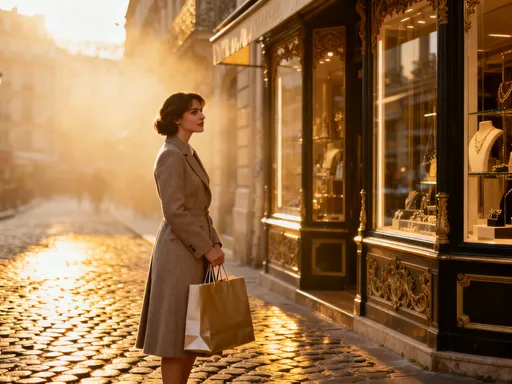
What makes Yorkville particularly appealing to women in their 30s to 50s is its attention to detail and ambiance. Clean sidewalks, well-maintained green spaces, and a low crime rate make it feel safe and inviting. Personalized service in smaller boutiques—where staff remember names and preferences—adds a human touch often missing in larger retail environments. Even window shopping here feels rewarding, with mannequins styled like works of art and seasonal displays that rival museum installations. For those interested in wellness, the area also features luxury spas, yoga studios, and organic juice bars, reinforcing its reputation as a haven of self-care and mindful living.
Entertainment District: More Than Just Shows and Stadiums
South of the Financial District lies the Entertainment District, a zone that comes alive when the sun goes down. Known for housing major venues like the Princess of Wales Theatre, Roy Thomson Hall, and Scotiabank Arena, this neighborhood is the city’s performance heart. But beyond marquee events, it offers a rich daytime rhythm that many overlook. The King Street corridor, once dominated by traffic, has been transformed into a pedestrian-priority zone, making it easier to explore restaurants, boutique fitness studios, and local galleries. This shift has revitalized the area, encouraging foot traffic and fostering a more intimate urban experience.
One of the district’s hidden gems is Roundhouse Park, a green oasis adjacent to the historic John Street Roundhouse, a former railway maintenance facility. Today, it’s home to the Toronto Railway Museum and serves as a scenic starting point for walks along the waterfront. The park hosts outdoor concerts, family festivals, and seasonal markets, making it a favorite among locals. Nearby, food halls like Centerpoint and Stackt Market offer curated dining experiences, featuring everything from Korean tacos to artisanal ice cream. These spaces celebrate culinary diversity and support independent vendors, giving visitors a taste of Toronto’s multicultural fabric.
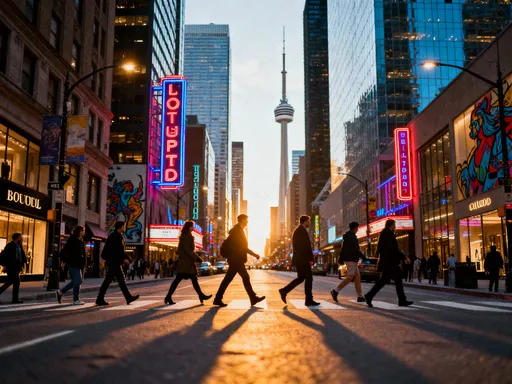
For travelers checking in during the day, the Entertainment District offers a quieter preview of its nighttime transformation. You can enjoy a mid-afternoon latte at a sidewalk café, browse design shops, or catch a matinee at one of the theaters. As evening approaches, the energy shifts—neon signs flicker on, crowds gather outside arenas, and restaurants buzz with anticipation. This duality makes the area ideal for those who appreciate contrast and rhythm in city life. Whether attending a concert, catching a Raptors game, or simply soaking in the atmosphere, the district delivers excitement with a sense of order and safety.
Kensington Market & Queen West: Bohemian Commerce with Soul
For a different kind of commercial experience, head west to Kensington Market and Queen West. These neighboring districts pulse with creativity, independence, and grassroots energy. Kensington Market, one of Toronto’s oldest neighborhoods, is a mosaic of cultures, languages, and flavors. Its narrow streets are lined with colorful murals, vintage clothing stores, organic grocers, and family-run restaurants serving everything from Jamaican patties to Ukrainian dumplings. There’s no chain store in sight—every business feels personal, handmade, and deeply rooted in community. The market operates like an open-air bazaar, where haggling is welcomed and discovery happens around every corner.
Just north, Queen Street West extends the spirit of individuality. Once an industrial corridor, it’s now a hub for artists, designers, and entrepreneurs. Independent fashion boutiques, record shops, and concept stores fill converted warehouses and storefronts. Pop-up galleries and street art installations change with the seasons, keeping the neighborhood fresh and unpredictable. For women who value authenticity and creative expression, this area offers a refreshing contrast to mainstream retail. You might find handmade jewelry, limited-edition prints, or one-of-a-kind furniture—items that carry stories and craftsmanship often lost in mass production.
What makes Kensington and Queen West so special is their role as social laboratories. These districts thrive on interaction—between neighbors, between cultures, between strangers who become friends over shared meals or music. Community events like the Kensington Market Festival or the monthly Pedestrian Sundays bring people together, reinforcing bonds and celebrating local identity. For travelers, engaging with these spaces means more than shopping—it means participating in a living culture. You’re not just observing Toronto’s diversity; you’re experiencing it firsthand, through taste, touch, and conversation.
Smart Check-In Strategies: Maximizing Time in Toronto’s Commercial Zones
Navigating Toronto’s commercial districts efficiently requires a bit of planning—but the rewards are well worth it. The city’s public transit system, operated by the TTC (Toronto Transit Commission), is extensive and reliable. Subways, streetcars, and buses connect all major districts, making it easy to move from Yorkville to Kensington without a car. The PRESTO card, a reloadable smart card, simplifies fare payment across buses, subways, and GO Transit trains. Visitors can also use contactless credit cards or mobile wallets to tap in and out, eliminating the need to carry cash.
To avoid rush hour congestion, aim to explore downtown areas between 10 a.m. and 3 p.m., when office workers are busy and crowds are lighter. If visiting the Eaton Centre or Union Station, arriving early helps secure better parking or smoother transit access. Free Wi-Fi is available in many public spaces, including major transit stations, libraries, and select parks, allowing you to stay connected for maps, reviews, or sharing photos. Mobile apps like Google Maps, Transit, and Yelp are invaluable for real-time navigation, transit schedules, and discovering nearby deals or events.
Safety and accessibility are also key considerations. Toronto is consistently ranked as one of the safest major cities in North America, but it’s wise to stay aware, especially in less crowded areas at night. Most commercial districts are well-lit, monitored by security, and served by frequent transit. Sidewalks are generally wide and accessible, with ramps and tactile paving for those with mobility needs. Many shops and restaurants offer gender-neutral restrooms and quiet hours for neurodiverse guests. By planning ahead and using available resources, visitors can enjoy a smooth, confident, and enriching urban experience.
Beyond Shopping: How Commerce Fuels Connection and Discovery
At its best, urban commerce is not just about transactions—it’s about transformation. Toronto’s commercial districts are meeting grounds where people connect, cultures blend, and ideas spark. A conversation with a shop owner in Kensington, a shared table at a Queen West café, or a spontaneous dance during a street festival—these moments stay with us long after the souvenirs are unpacked. They remind us that cities are not just collections of buildings, but networks of human relationships.
For women in their 30s to 50s, who often juggle roles as caregivers, professionals, and community members, these spaces offer a rare chance to pause, reflect, and rediscover joy. Whether sipping tea in a Yorkville garden, browsing art books in the Entertainment District, or dancing to live music in a hidden alley, these experiences nourish the soul. They affirm that travel is not just about seeing new places, but about feeling alive in them.
Toronto’s commercial zones invite mindful exploration. They ask us to slow down, look closely, and engage with the details—the scent of fresh bread from a family bakery, the laughter of children in a park, the quiet pride of a craftsman arranging his wares. In these moments, we don’t just visit a city—we become part of its rhythm. So the next time you check in, don’t just pass through. Step into the pulse. Let the energy move you. Discover the heart of Toronto, one authentic connection at a time.